Tennis

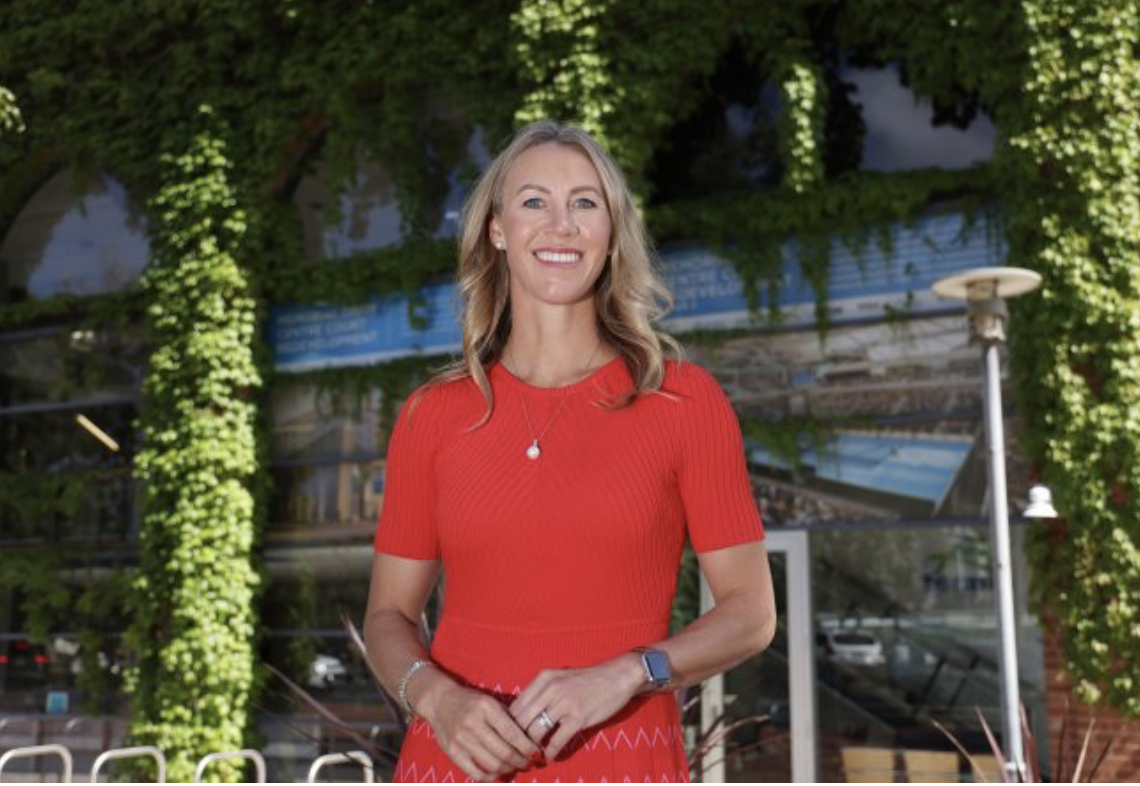
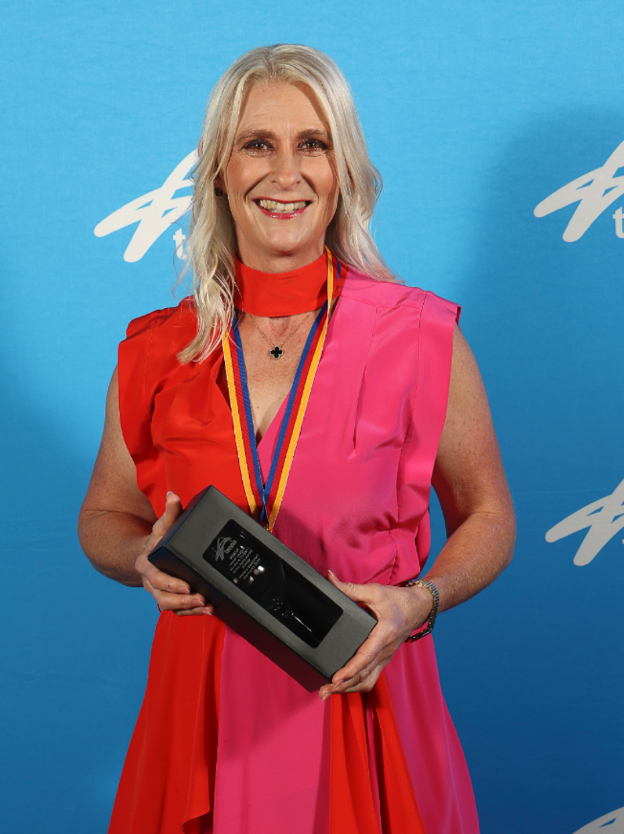
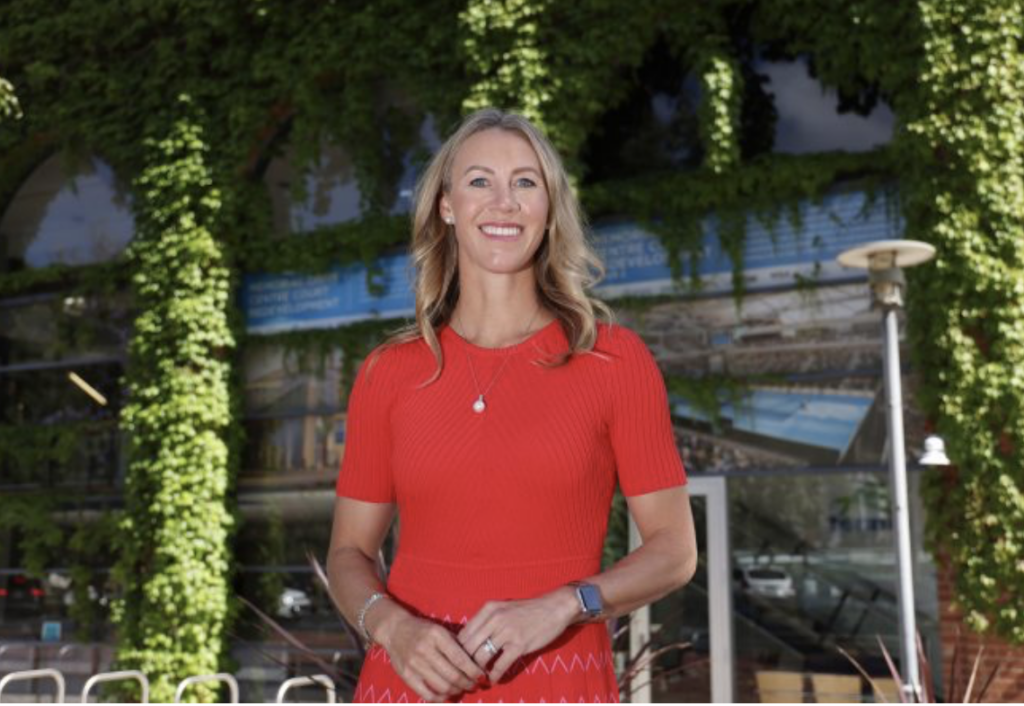
Ash Barty - Source: Tennis Australia

MODERN TIMES

  • Tennis stands out among professional sports for offering equal prize money to both male and female competitors at its four grand slam events. 
  • However, this parity is not yet universal. The WTA has announced plans to extend equal prize money to all combined 1000-level and 500-level events by 2027.
  • One of the most decorated tennis players of all time, 23-time major champion Serena Williams is the highest-paid female player with $94.8 million in total career earnings. Williams retired in 2022.
  • In second position is Venus Williams, seven-time major champ. Career earnings are over $42.5 million. 
  • Simona Halep is third with total career earnings of $40.2 million.

RECORDS. MILESTONES. MOMENTS.

***

***

***

***

***

***

HISTORICAL TIMELINE

Late 1800's

  • The laws of tennis were written down in England in 1873, the first Wimbledon played in 1877, and in 1878 the Adelaide Lawn Tennis Club was formed – the first in Australia.
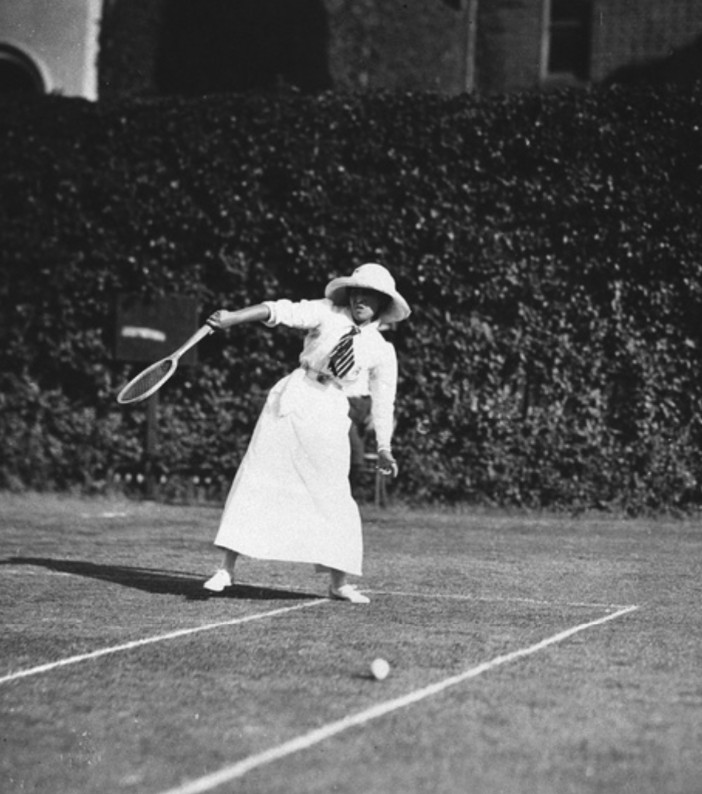
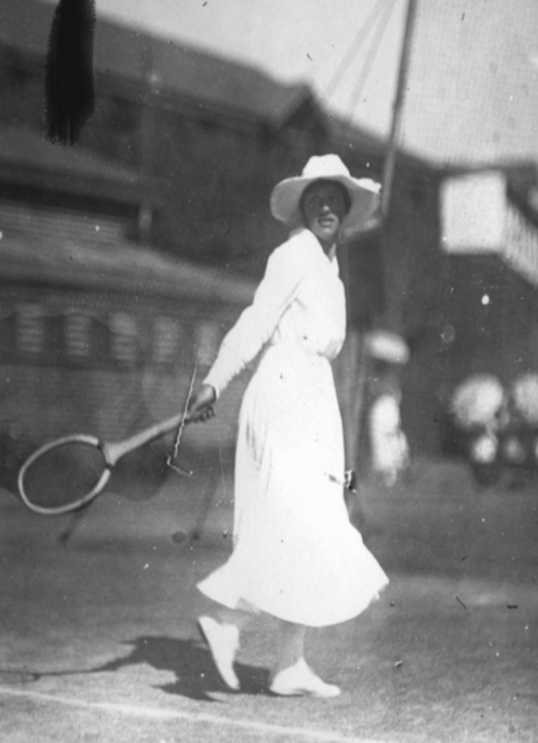
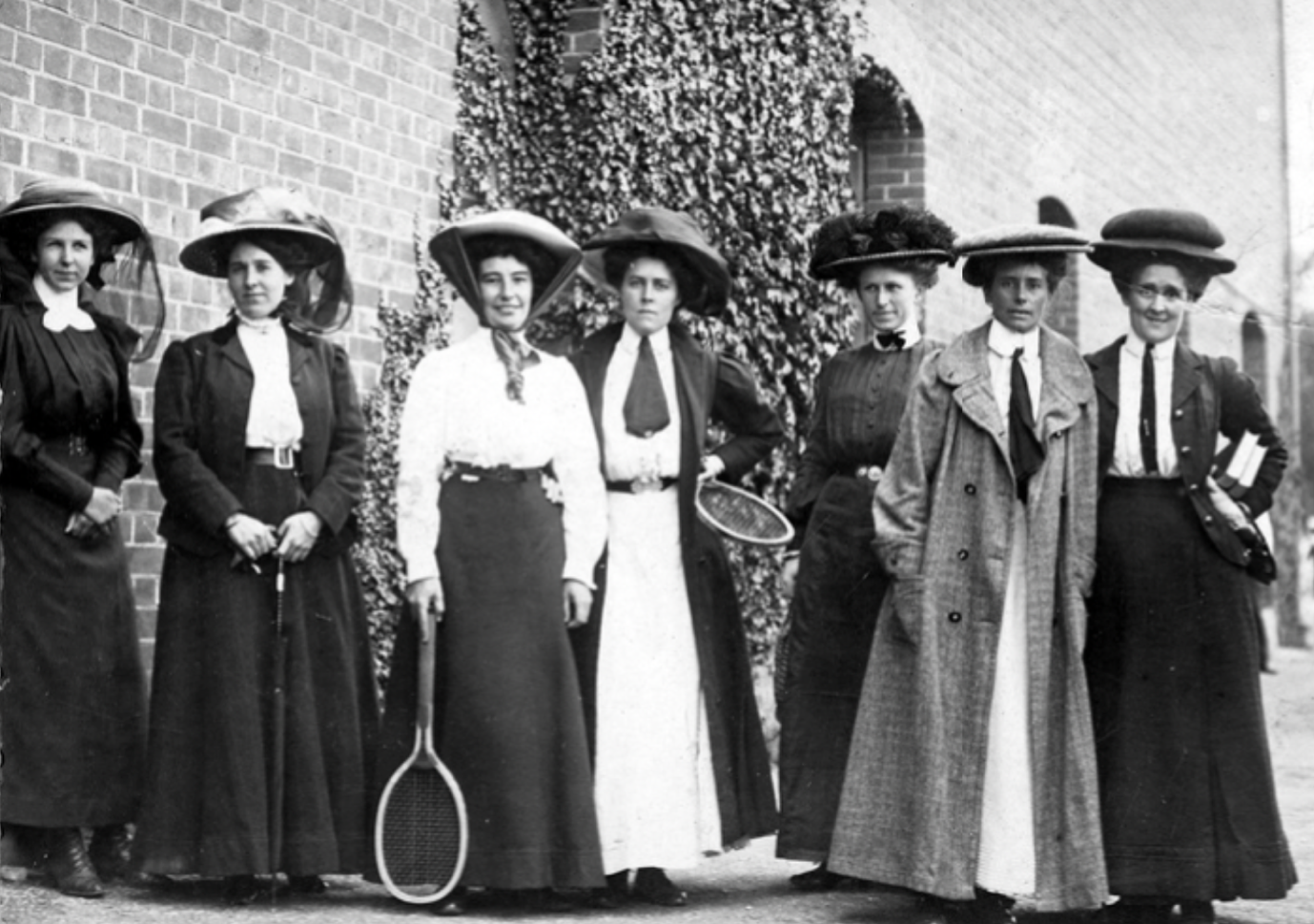
  • Player clothing was an ankle-length, heavy skirt – very tight around the waist. Full calico petticoats and cotton stockings. Shirts with long sleeves & double collars – sometimes with a tie.
  • Tennis was being played on the property and gardens of the elite of Medindie, North Adelaide and Walkerville. 
  • By the late 1800s, some women were finding sport more interesting than promenading or attending musical afternoons, knitting or picnicking. 
  • Pennant tennis – for women and men – began in 1885 with clubs including Hyde Park, Semaphore, Parkside, Glen Osmond. Clare, Tanunda and Gawler had also established clubs.
  • In 1889, the Adelaide and Suburban Lawn Tennis Association (SALTA) was set up, remaining that way for 100 years until it became SA Tennis Association and later still, Tennis SA.
SA women players approximately 1912 - Source: State Library of South Australia (PRG 280/1/11/584)

1900's

  • The SA Championships were for amateur players played held on asphalt courts until 1904 and on grass courts thereafter. 
  • In the SA Championships women’s singles, the rules stated the titleholder did not have to play the early rounds and could ‘sit out’ to play the winner. This rule was short lived, remaining in place from 1904-1914.

1910's

  • The Memorial Drive Tennis Club started in 1914 as the South Australian Lawn Tennis Club, and for 57 years the Club was the headquarters of South Australian tennis. 
  • ‘Memorial Drive’ took its name from the winding avenue known as War Memorial Drive which follows the River Torrens from Hackney through North Adelaide.
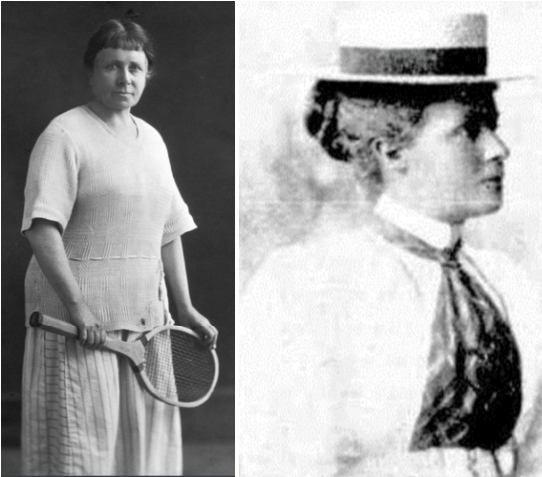
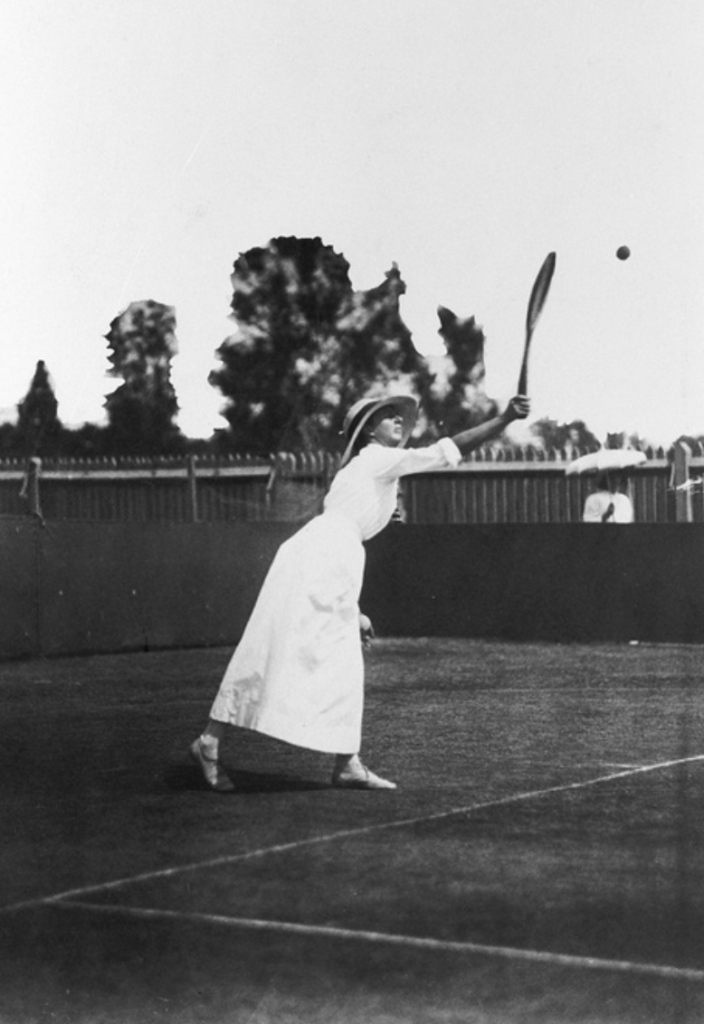
  • Wynne Mary Sharp (below) was the SA Ladies Champion in 1914. She was described as “a fine sturdy athlete”.
Mary Sharp - Source: State Library of South Australia, B 58479

1920's

  • The first women’s event at the Australian Championships (now the Australian Open) took place in 1922. The men’s Australian Open had started in 1905. 
  • Memorial Drive hosted the Australian Championships in 1926 and 1929.
  • In 1921, South Australian Lawn Tennis Association was granted a lease over land at Memorial Drive by the City of Adelaide, and it established grass courts for competition and social play.
  • In 1923 a clubhouse and grandstand were erected, the northern grandstand being the former tennis grandstand from Adelaide Oval, dismantled and reassembled.
  • Part of the finance to build the stand came from a special membership where tennis lovers bought a seat for 25 years in the new facility. 
  • In 1926, the SA state championships were moved from Adelaide Oval to the adjacent Memorial Drive Park grounds.
  • The first Australian women’s team to travel overseas did so in 1925.  There was no funding from the ALTA and players relied on private fundraising. NSW Daphne Akhurst was ranked third in the world in 1928.

1930's

  • Until the mid 1920s, most tennis racquets used in Australia were imported from the USA or England. The first Australian-made racquets came on the market and by the 1930s Australian made racquets were being exported to these same countries.
  • The herringbone-soled Volley sandshoe was introduced to Australia. Made by Dunlop, it became a bestseller here.

1940's

  • In 1940, a study of 314 women in NZ and Australia was done. Most of the women were middle class, conservative, Protestant and white. It found that 183 participated in sport, the most popular sport being tennis, with 86 having played the sport.
  • Women’s playing dress began to give more freedom of movement. The dresses and skirts were raised to knee length with short socks and sandshoes.
  • Tennis had expanded strongly to the regions – being played competitively and socially in areas including Mid-Murray, Yorke Peninsula, South East, Mid-North and Adelaide Hills.
  • After WW2 finished, international tennis resumed, including the four Grand Slams.

1950's

  • In February 1952, SA broke what would be a run of 35 consecutive victories by Victoria in the SA-Victoria Interstate Matches from 1934-61. 
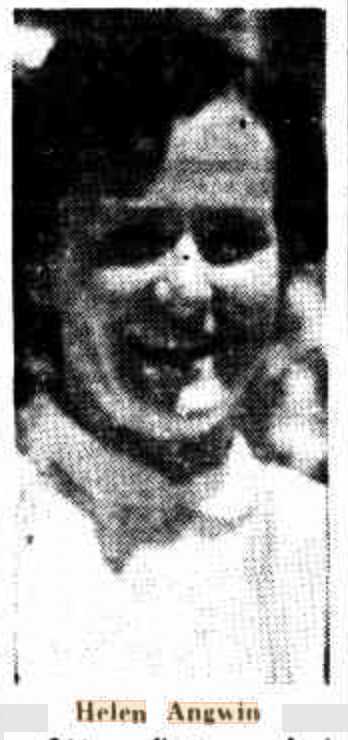
  • The team of Helen Angwin, Gwen Thiele, H. Astley, and Mrs. I. Olorenshaw celebrated a famous victory defeating Victora 7 rubbers to 4.
  • The long-awaited triumph demonstrated the strength and depth of women’s tennis in South Australia during that period.
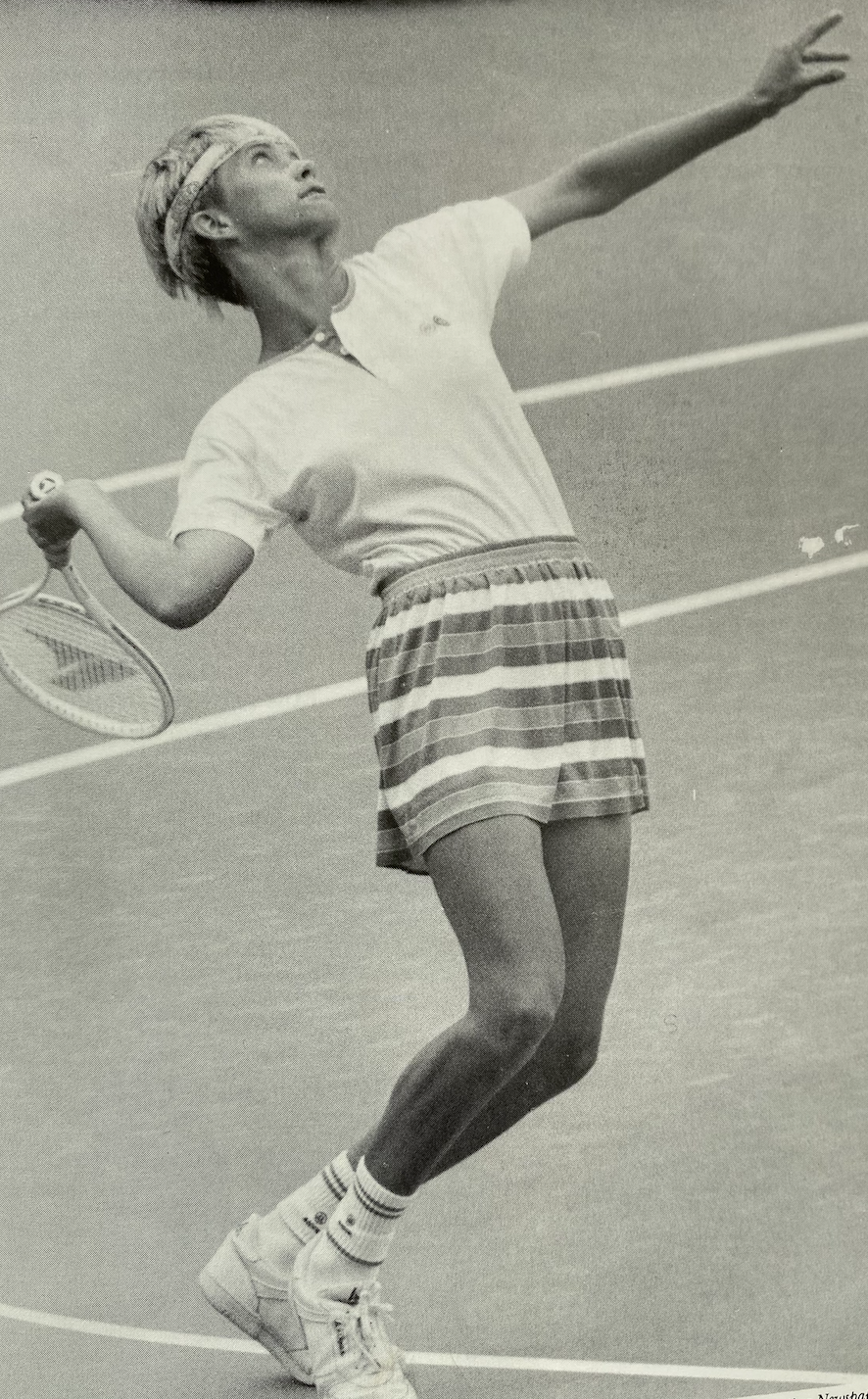
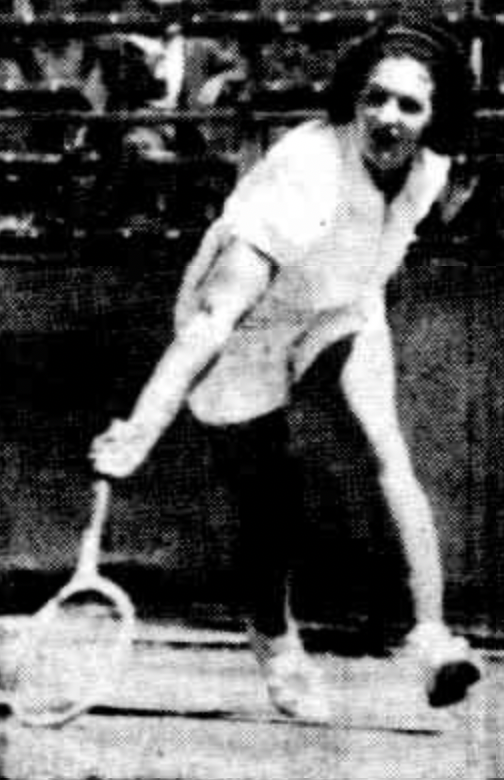
  • Jan Shearer was a ranked junior player, reaching an Australian junior high of No. 3 between 1956-59.

1960's

  • In the late 1960s, SA Lawn Tennis Association formally split into two bodies, creating the SA Lawn Tennis Club, now known as Memorial Drive Tennis Club, while SALTA – later known as Tennis SA – continued being the promoter of SA state and club tennis championships.
  • The Lawn Tennis Association of SA was registered in 1971 and the SA Tennis Association in 1979.
  • Before the advent of the Open era of tennis competitions in April 1968, only amateurs were allowed to compete in established tournaments, including the four majors.
  • There was no prize money, and players were compensated for travel expenses only. However, many top players turned professional to play legally for prizemoney before the open era. 
  • They played in separate professional events. However, professional tournaments usually only had a men’s draw.
  • In the 60s SALTA sought to broaden the use of its leasehold to include public recreation, concerts and outdoor entertainment.
  • In 1965, the first proposal was made to build an indoor stadium over the centre court area following the successful staging of the Ice Capades which attracted 60,000 spectators over nine nights.

1970's

  • In the 1970s and for the next two decades, professional tennis had top local and international players competing in the South Australian Championships. These included John Newcome and Tony Roche.
  • Off court, the entertainment precinct continued to boom with 130,000 people attending Festival of Arts events and rock concerts such as the Bee Gees and Elton John.
  • From 1969 until 1971 the South Australian Championships were part of the International Tennis Federation’s independent tour. Then in 1972 the tournament became part of the Grand Prix tennis circuit.
  • The SA tournament had a chaotic history over the next years, taking a place on the professional tour again in 1974. 
  • By now select SA women began touring professionally and playing in tournaments around the world, including the Grand Slams.
  • Australian Tennis player rankings were published from 1930 through to the mid 1970s when the International Tennis Ranking system was largely adopted as the measure.
  • A youngster called Joanne Faull was born in Kadina in the early 70s. She would attain great heights as a junior, then reach fourth rounds in the Grand Slams.

1980's

  • Staging the International Challenge at Memorial Drive in the 1980s and early 90s, also known as the Rio Challenge, attracted the world’s leading male players – John McEnroe, Stephan Edberg, Ivan Lendl, Pat Cash, and Pat Rafter.
  • Media coverage of the sport escalated, and audiences of women and men attended in their thousands.
  • The 1980 National Panasonic SA Women’s Open was played at Memorial Drive as part of the World Tour. No. 1 seed Hana Mandlikova won and earned $22,000 prize money. The tournament remained until 1985.
  • Tennis Seniors became affiliated with Tennis SA.
  • In 1985, Martina Navratilova defeated Chris Evert in the Australian Open women’s singles.
  • In 1989, the final edition of the SA Open Championships was held, the tournament being rebranded as the Australian Harcourt Championships.
  • Natalie Leipus became well known in SA. Remarkably, she and partner Peter Doohan made the mixed doubles round of 16 in at the 1984 Wimbledon Championships. The competed in the main draw as lucky losers from qualifying. 
  • Leipus’s appearance in 1984 was the only grand slam main draw appearance of her career. However, she was appointed assistant coach at the AIS in 1988 under head coach, Ray Ruffels, coaching emerging players at the time – Joanne Faull, Rachel McQuillan, Todd Woodbridge and Renae Stubbs.

1990's

  • The 1990s saw the SA Championships for men rebranded as the Australian Hardcourt Championships. 
  • The Australian Women’s Championships had been hosted in various cities around Australia and from 1989-1994, the event was held in conjunction with the Danone Hardcourt Championships. 
  • It was not staged in 1995 and 1996, but re-emerged as a women’s only event called the Thalgo Australian Women’s Hard Courts – held until 2002.
  • A promising young SA woman, Alicia Molik, turned pro in 1996 and reached the third round of the French Open in 1999.

2000's

  • The Next Gen building, with gym, squash courts, swimming pools and social facilities, was opened in 2000. Next Gen, Tennis SA and Memorial Drive Tennis Club work together to administer and support tennis at all levels from this location.
  • By now Competition Pathways have been well established, creating opportunities for junior girls and boys for participation as well as State Junior League competitions and to high performance. 
  • A total of 23 regional associations were underway and flourishing including regions such as Port Lincoln, Port Pirie, Millicent and the Riverland.
  • Nancy Moulds was one example of a volunteer having a huge influence in country tennis development. In 2005, she received a TSA award as the Association Person of the Year (country). 
  • Nancy Moulds had been involved in tennis administration for more than 30 years, with at least 16 of these working with junior tennis in the Hills Tennis Association.
  • She was responsible for introducing tennis programs into the Hills area and had been on many Tennis SA and Hills Tennis Association committees.

2010's

  • Tennis SA has a well-established pathways program for junior girls and boys aged 11-17, operated through the club system. Its purpose ranges from beginners to those aiming for the ITF Junior Circuit.
  • In 2012 SA enjoyed its most successful Bruce Cup since 1990, finishing second to NSW.
  • The SA team for the Bruce Cup consisted of seven boys and seven girls – playing singles, doubles and mixed doubles to determine the winner of the tie. The girls were: Madison Bishop, Vanessa Cozamanis, Jeanette Lin, Amber Marshall, Chloe Purkiss, Isabella Ryles, Tahlia Van der Eerden.
  • SA’s No. 1 ranked girl, Jeanette Lin thrived, going undefeated against Australia’s best 12/u players.
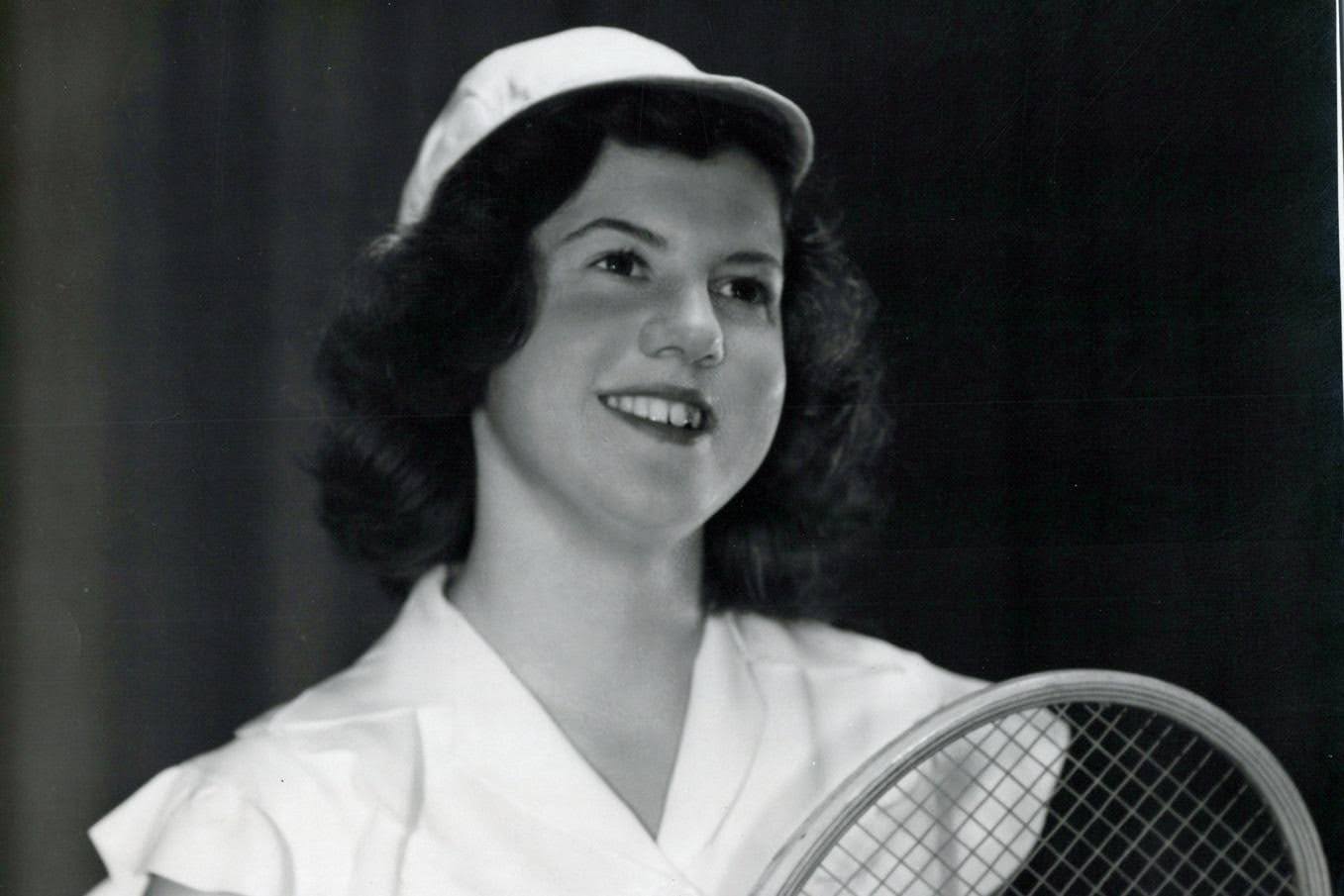
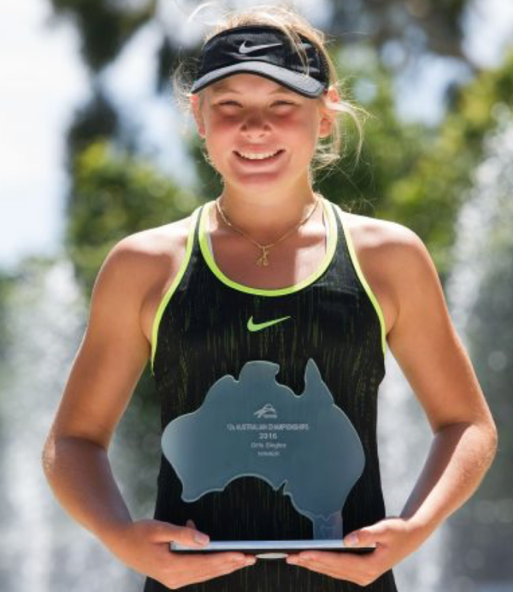
  • In 2016 Charlotte Kempenaers-Pocz (below) from Glengowrie won the 12-and-under Australian championship, after taking out the girls’ title at Melbourne Park.
  • In 2019, Adelaide was announced as the host of a major international tournament for the next five years – the name of the tournament became The Adelaide International – for women and men.
  • The centre court at The Drive underwent an $10m upgrade with canopy over the centre court.
  • Some of the world’s top women and men were expected to play in Adelaide as their main lead-in to the Australian Open.
  • Ash Barty won the inaugural title for women, which was her first title on home soil.
Charlotte Kempenaers-Pocz - Source: Tennis SA

2020's

  • SA Tennis has come a long way from the early 1930s when it was noted in The Register SA newspaper that women were excluded from voting in the South Australian Lawn Tennis Association meetings and were in fact, also excluded from some meetings.
  • As of the 2023-24 season, the Board of Directors of Tennis SA, which oversees the operations of tennis in this state, comprises 10 directors, five of whom are female.
  • Furthermore, the CEO of Tennis SA and the Adelaide International General Manager is a female – Debbie Sterrey. 
  • In addition, 11 of the 30 staff involved with tennis development, marketing, and high performance are female.

Bibliography:


STORIES OF OUR PIONEERS

Meet the trailblazers of SA Tennis. 

Airelie Keen

Airlie Keen was appointed to the FIFA Assistant Referees Panel each year from 2001 to...

Alison Peek

Alison Peek’s open, fun-loving, welcoming ways clearly belie an unfaltering, unrelenting attitude on the field....

Ann Gibbons

Ann Gibbons was one of only two female inductees into the Football SA Hall of...

Anna McVann

Selected for the XXIII Olympics in Los Angeles at the age of just 15, Anna...

Anna Pazera

Rather than return to Communist Poland, Anna Bocson (Pazera) stayed in Australia after competing in...

Anne Hatchard

The 175cm mid-fielder highlighted her dominance by winning the Adelaide Football Club’s best and fairest...

Anne Shanley (Cooper)

In 1950, Anne Shanley was SA’s first female National Champion, the first female National record...

Anne-Marie Knight

In 2016 Anne-Marie Knight was the first female in South Australian PGA history to be...

Annie Fidge

Annie Fidge is part of a family softball dynasty. Her mother, Julie Dale, is a...

Barb Mattson

Barb Mattson captained her club team Brighton to State League premierships, the SA state team...

Barbara Bawden

Barbara Moffatt’s height gave her additional reach, which together with her flexibility were significant assets...

Barbara Phillips

A 1950 media report said: “Barbara Phillips (pitcher) proved … that she can not only...

Bec Goddard

After more than a decade of junior involvement in footy as a player then goal...

Belinda White

In her international retirement speech, “after 13 years - 4 world championships, 2 qualifiers, 1...

Bobby Milburn

Bobby Milburn

A skilful medium-pace bowler, Bobby Milburn played for Australia for over a decade in the...

Brenda Pearl

Brenda Pearl became the first woman in the southern hemisphere to be selected on a...

Brooke Kruger-Billett

As neither SA nor Australia had a strong tradition in throwing the 4kg hammer, in...

Carla Boyd

Carla Boyd was a key player in the Opals team through the 1990s that emerged...