Australian Rules Football

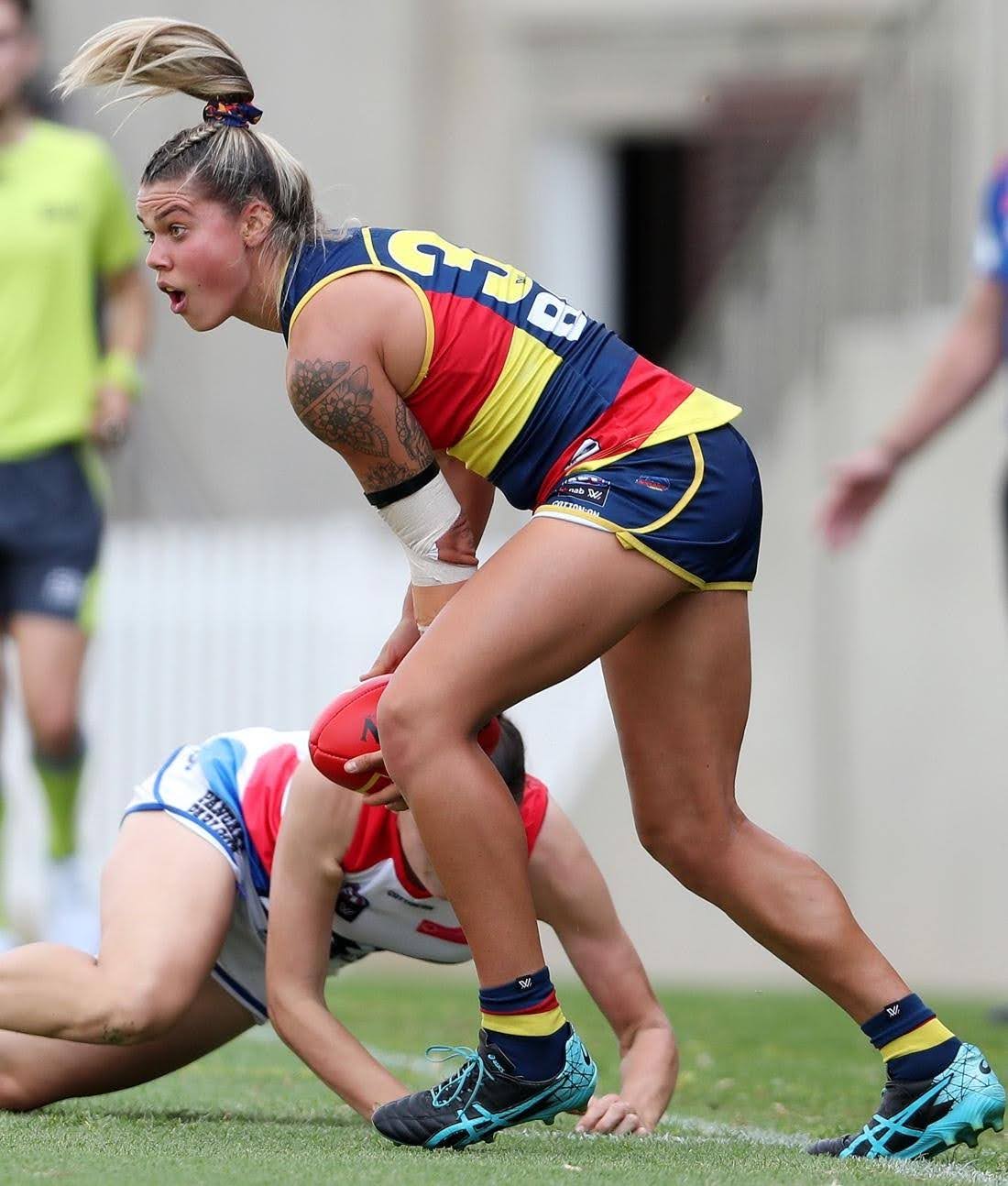
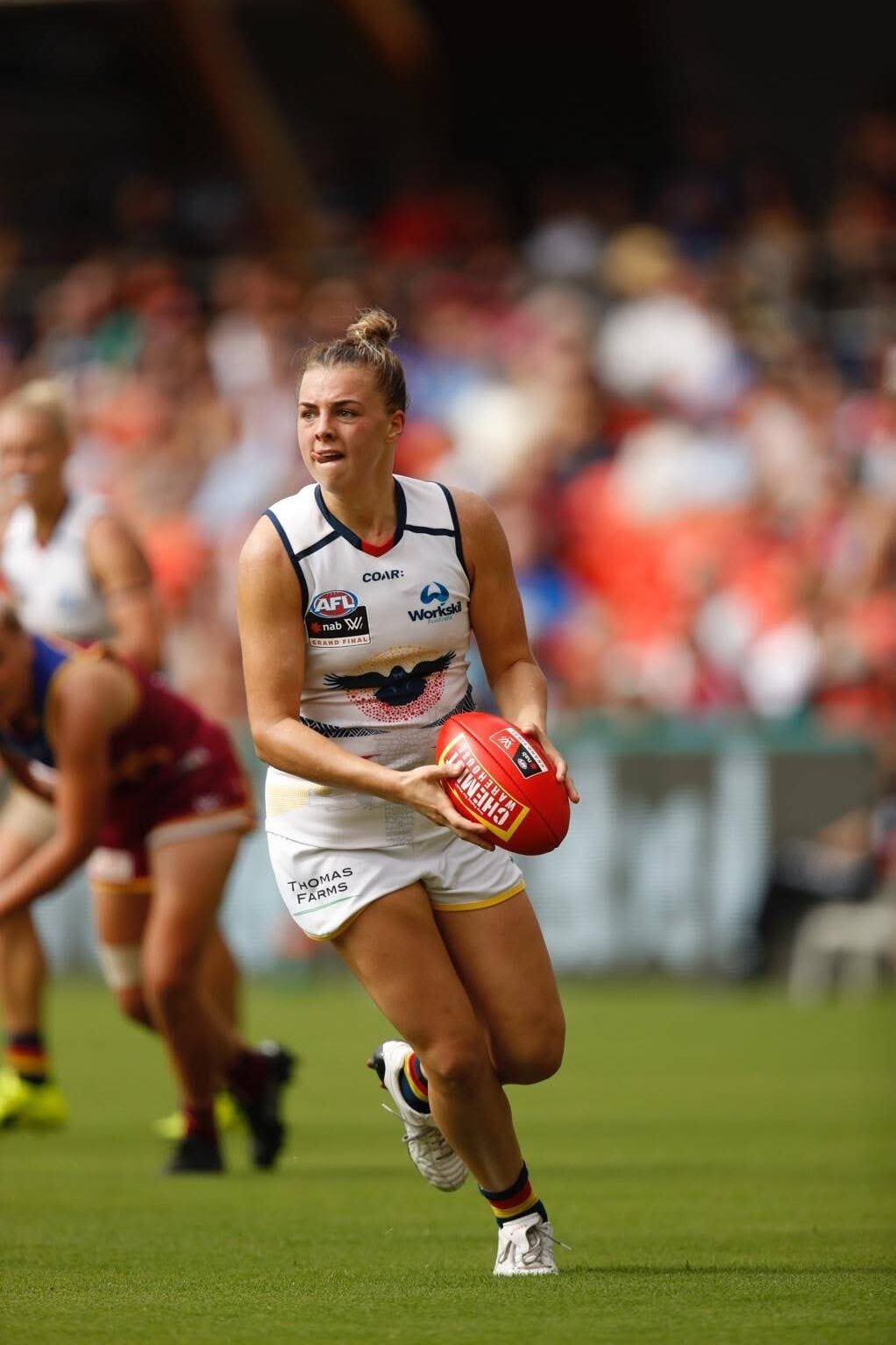
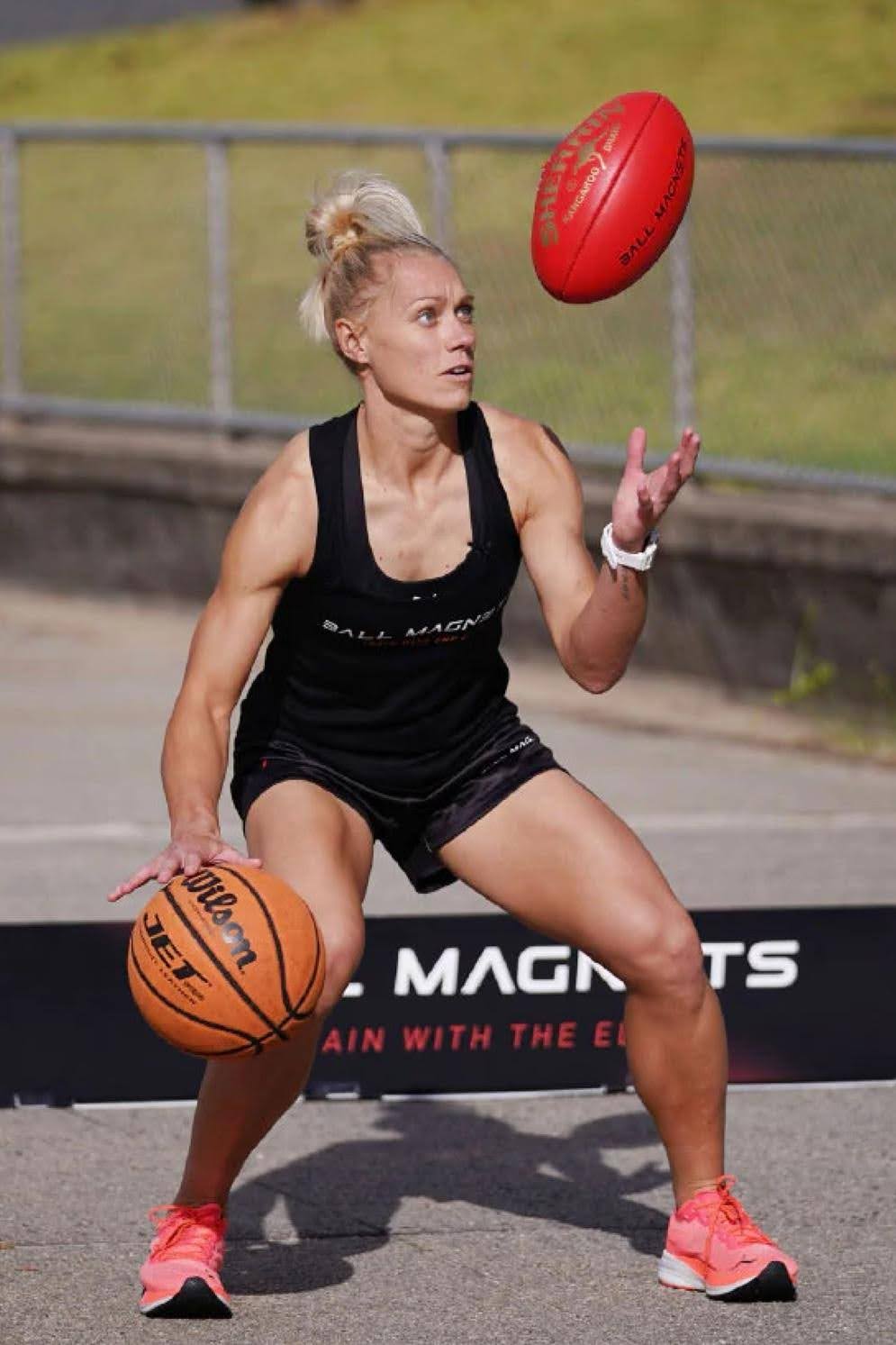
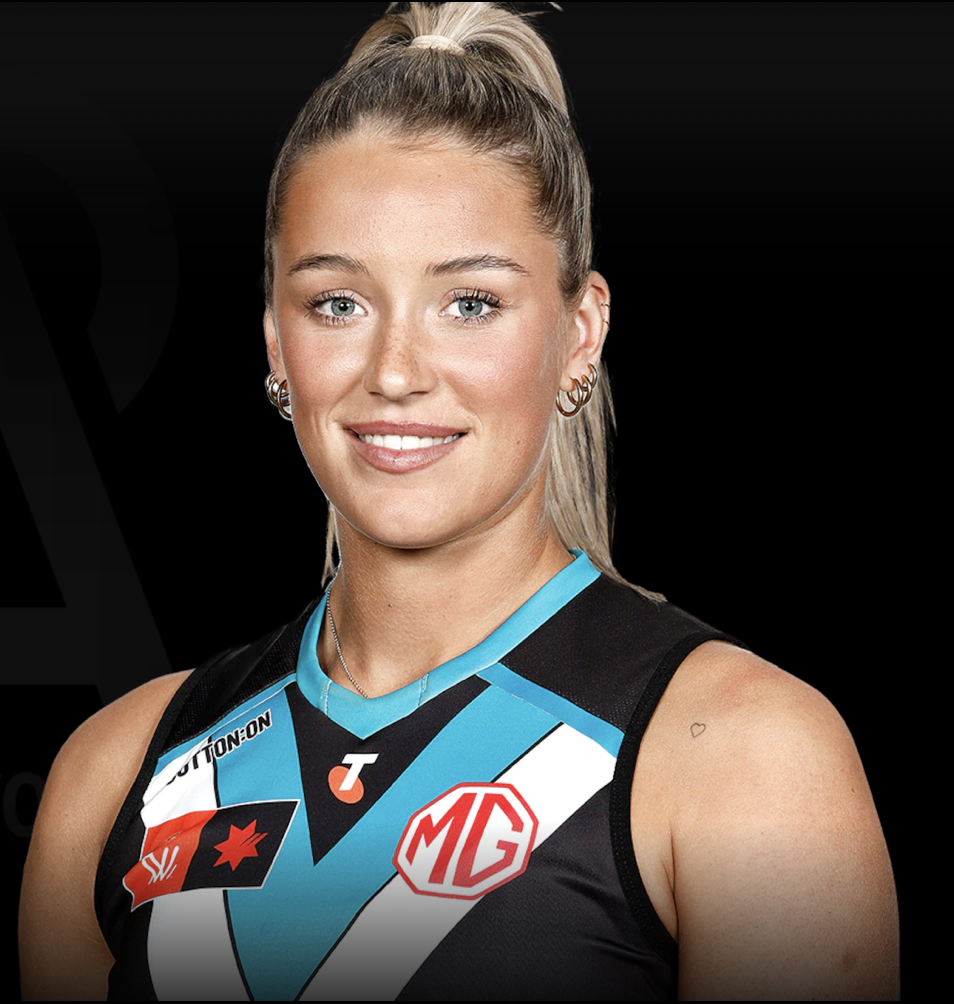
Erin Phillips - Source: Port Adelaide Football Club

MODERN TIMES

  • By the year 2024, data showed that more than 530,000 women and girls were playing Australian Rules Football – at all levels.
  • It also revealed an intriguing fact – that of all the footballers in Australia, one third are female.
  • The AFLW player contracts involve a tiered structure. In 2025, the Tier 1 players earned a base salary of $109,000; Tier 2 $89,500; Tier 3 $76,000; Tier 4 $67,000.
  • Players can earn additional income from promotions, marketing and appearances. 
  • It is estimated the 2024 AFLW MVP, the Crows’ Ebony Marinoff, earned approximately $250,000 for the year.
  • A five-year Collective Bargaining Agreement was signed in 2023, finishing in 2027, during which time AFLW players’ salaries will rise by 77%.
  • The CBA gave increased certainty for players with 12-month contracts implemented, as well as a possibility to sign multi-year contracts – the same as the men’s AFL competition.
Erin Phillips - Source: Port Adelaide Football Club
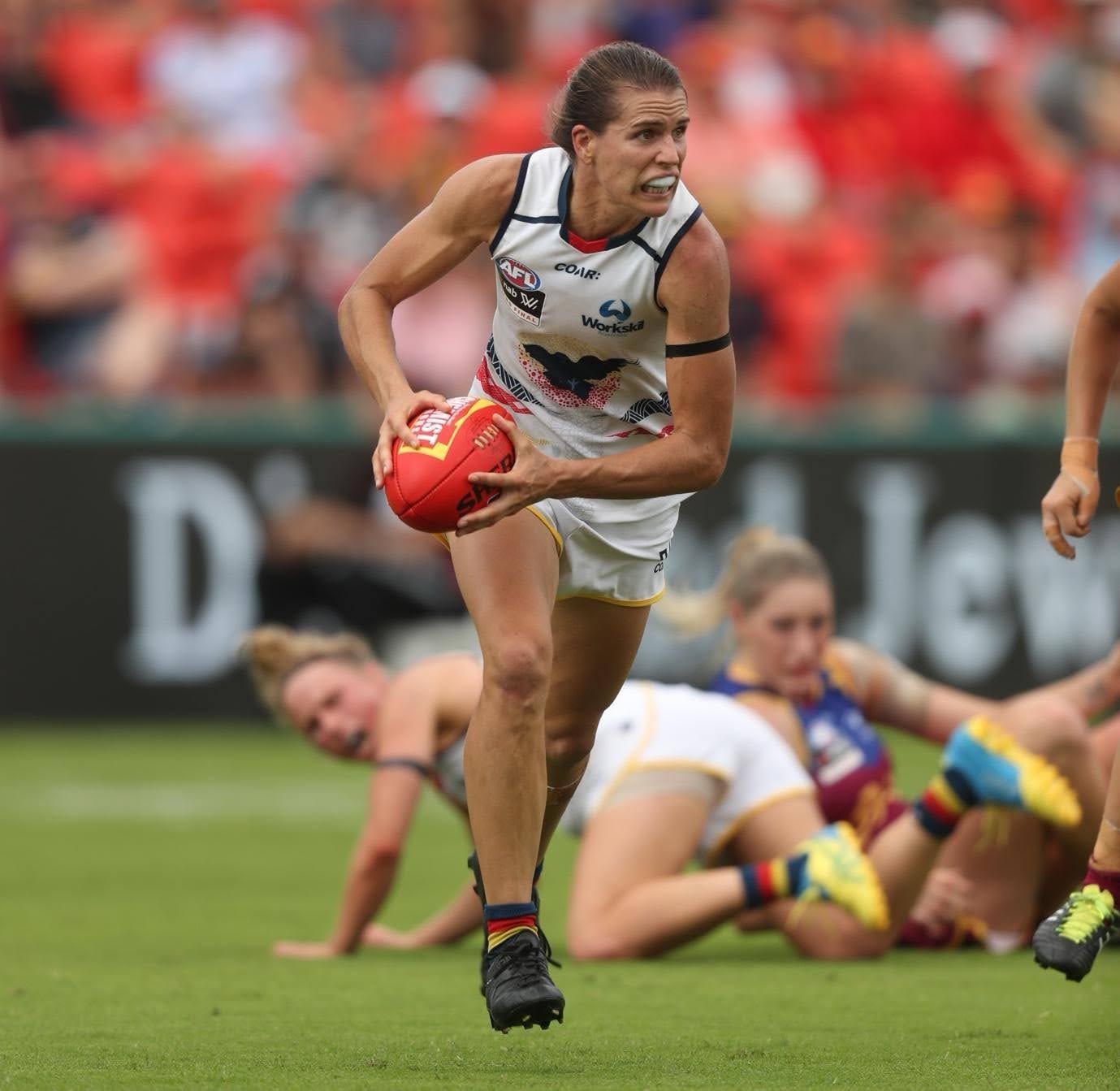
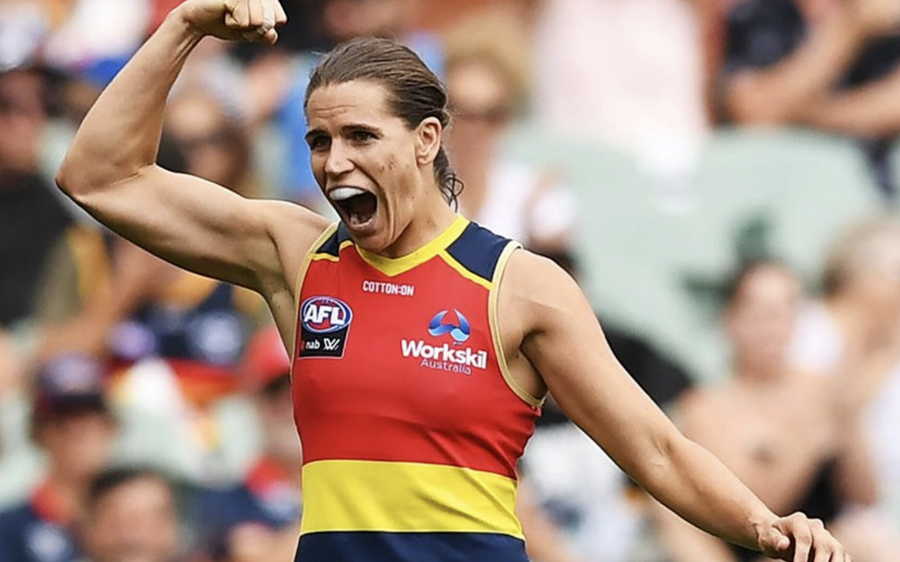
Chelsea Randall - Source: Adelaide Football Club

RECORDS. MILESTONES. MOMENTS.

The AFL announced an AFLW competition would start in 2017. On 25 March 2017, in front of 15,000-plus spectators, the Adelaide Crows defeated the Brisbane Lions to win the first AFLW premiership.

In early times, women playing football was considered frivolous entertainment. A charity carnival was held at Adelaide Oval in 1929, with the headline event being a women’s football match which drew a record crowd of 41,000 spectators.  

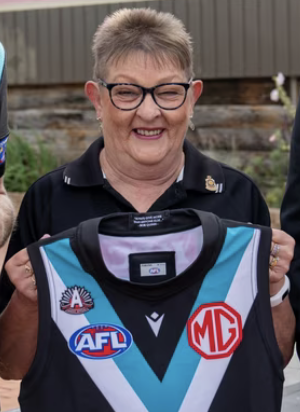
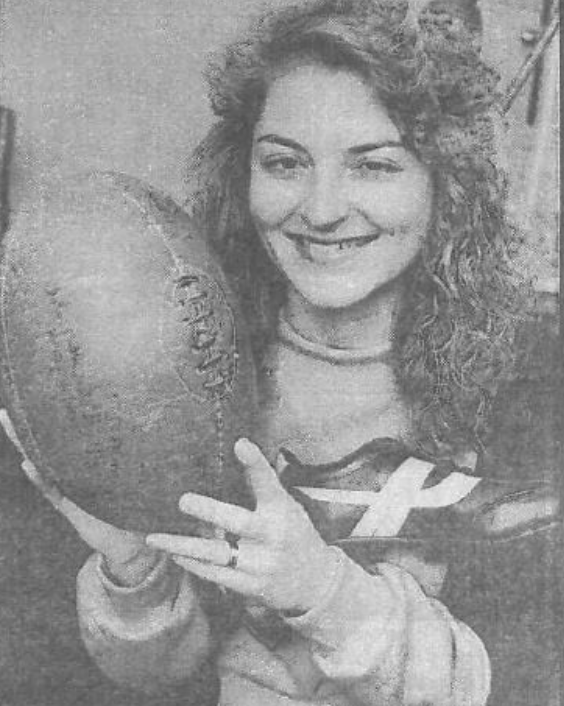
Gina Dutschke led the establishment of Australian Rules football for women in SA, when she discovered there were no serious options for her to play the game.

HISTORICAL TIMELINE

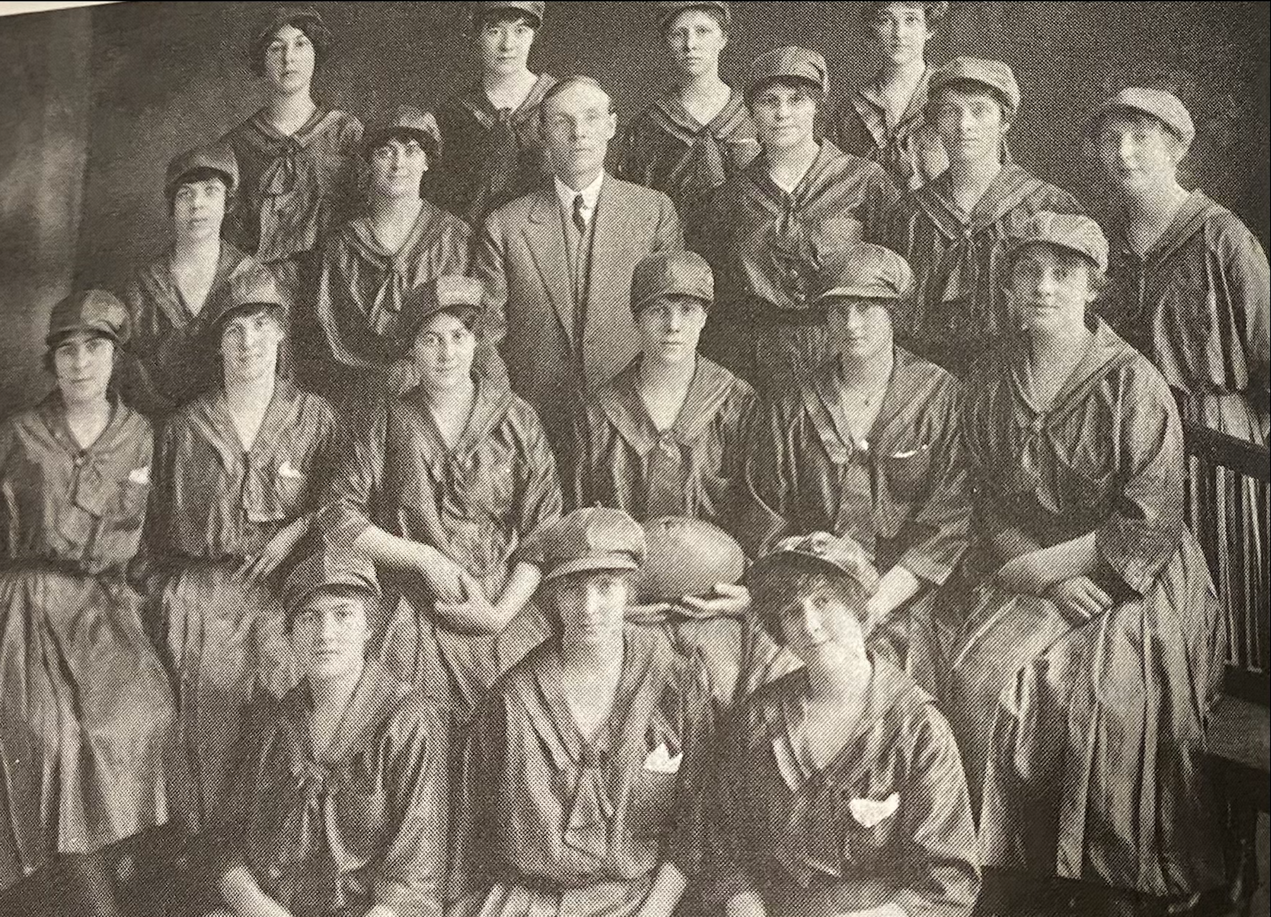
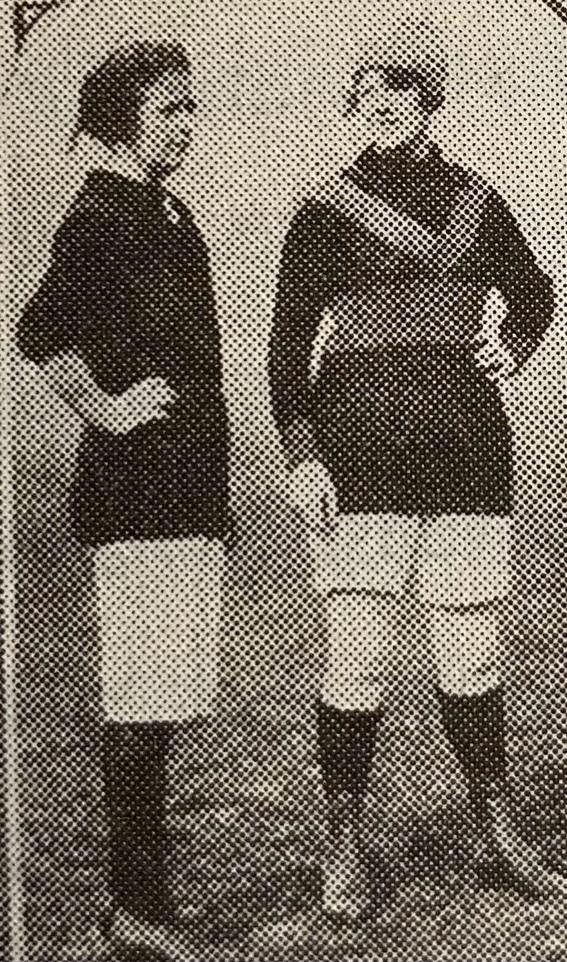
Foy and Gibson, 1917, in team uniform, courtesy of State Library of Western Australia, 004998D, as published in Brunette LenkiĆ and Rob Hess, Play On! The Hidden History of Australian Rules Football, Echo Publishing, 2016, p. xii.

1900's

  • While a men’s competition began in the latter 1800s (SANFL 1877), women’s games first emerged in the late 1800s as charity, ‘frivolous’, one-off matches.
  • Adelaide’s newspapers – the Daily Herald and The Advertiser – carried stories of women’s games taking place in 1910 and 1918.
  • Women in the 1900s wanting to play faced numerous obstacles:
    • They often worked full-time in retail stores and factories. 
    • Across Australia, Saturday was the traditional day for sport, and since organised sport was only played by men, it followed that the grounds and facilities were already taken.
    • Additionally, Sunday was the ‘day of rest’, often given over to religious participation.
  • Yet women were not to be denied, organising teams and improvising by playing matches on a bye in the men’s competition, or in the break between men’s football and cricket seasons, or on mid-week public holidays.
  • Persistence was required and it is unsurprising that women’s football in SA, found its early roots in country regions, (Saddleworth, Gawler, Riverton) given the close ties that exist in country towns.
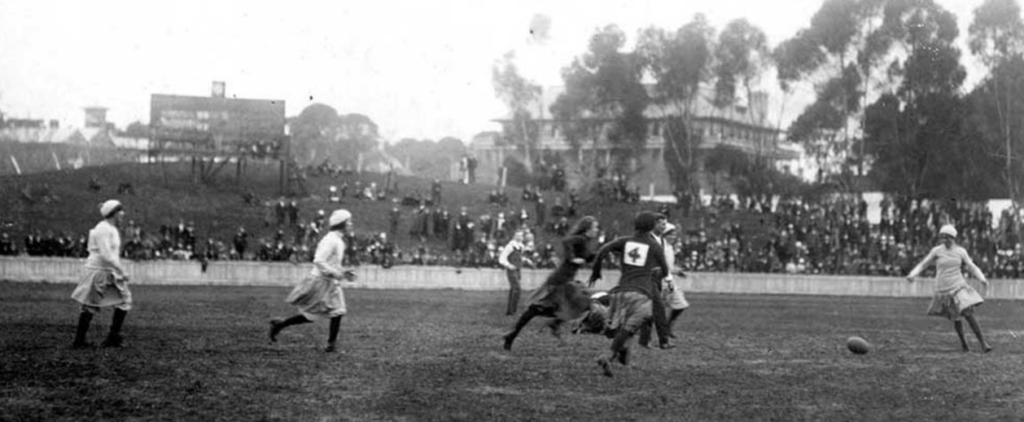
  • During WW1, Jubilee Oval hosted several women’s matches as fundraisers to assist the war Red Cross effort. Teams were generally workplace based e.g. Charles Moore and Co.
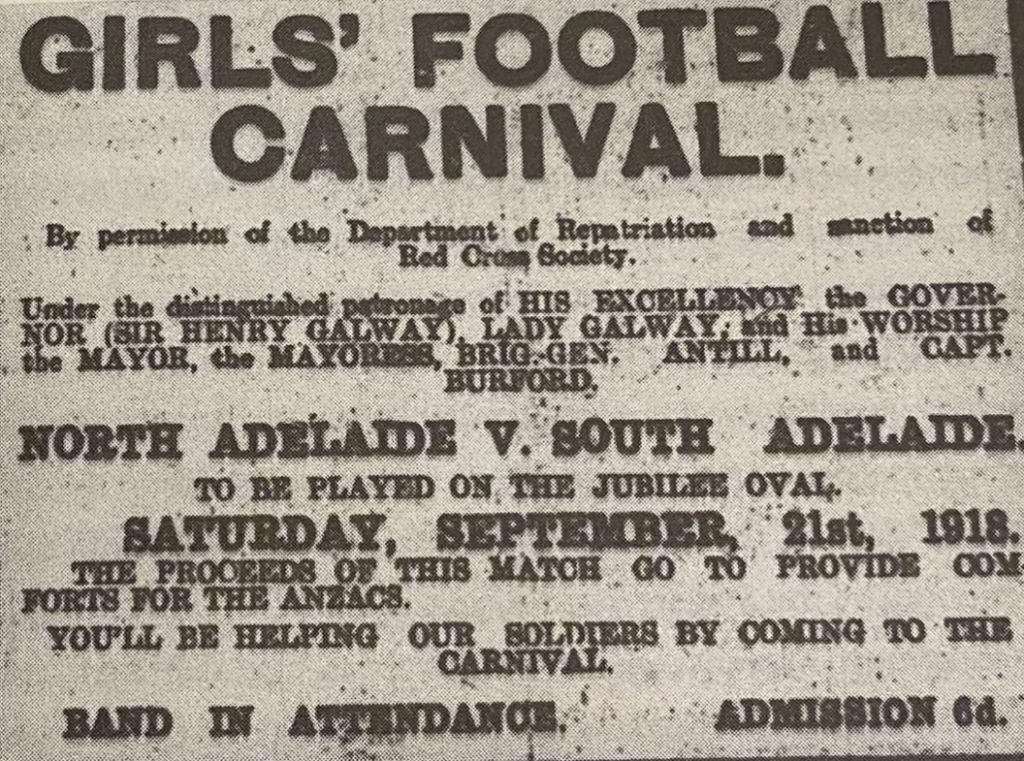
  • The sanction of the Red Cross Society provided legitimacy for many of the women’s matches played during WWII, especially this match witnessed by the governor of South Australia and his wife.
Register (Adelaide), 20 September 1918, p. 2, as published Brunette LenkiĆ and Rob Hess, Play On! The Hidden History of Australian Rules Football, Echo Publishing, 2016, p. 25.
A women’s fundraising match on Jubilee Oval, Adelaide, 21 September 1918 - Source: State Library of South Australia PRG 280/1/9/298.
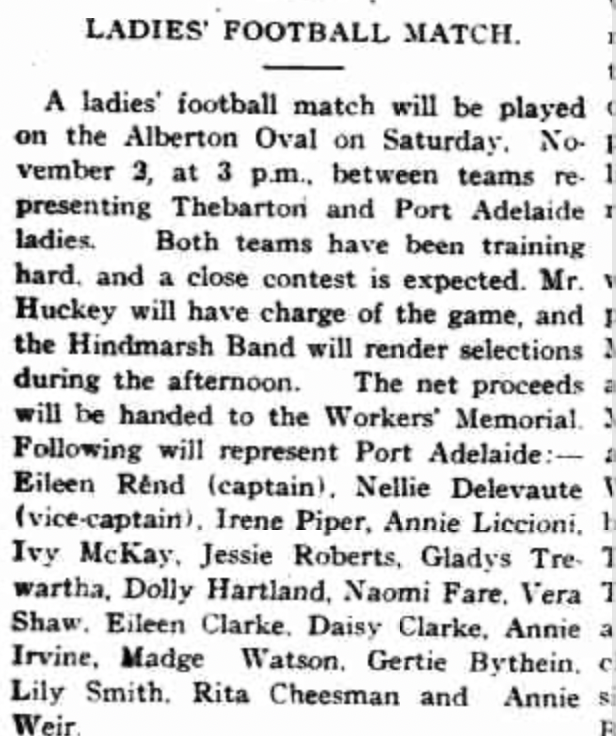
Excerpt from Port Adelaide News November 1918.

1920's

  • Matches, though not in a formalised competition, were occurring more often, though still considered jovial entertainment.
  • Uniforms could include a jockey-style cap. Some wore skirts while others wore shorts and striped guernseys with handmade numbers tacked onto the back. 
  • New rules were introduced to prevent quick players from dominating the game by running the full oval length: a player must bounce the ball every 10 yards.
  • Meanwhile women’s football was spreading across Australia – particularly in WA, SA, and Victoria, followed a little later by Tasmania.
  • A charity carnival was held at Adelaide Oval in 1929, the headline event being a women’s football match drew a record crowd of 41,000 spectators.  
  • To begin the game, a well-known aviator, Captain H.C. Miller dropped the football from his Gypsy Moth as he flew over Adelaide Oval.
Table Talk (Melbourne) 28 July 1921, p. 27, as published in Brunette LenkiĆ and Rob Hess, Play On! The Hidden History of Australian Rules Football, Echo Publishing, 2016, p. 47.

1930's

  • During the 1930s Great Depression, women’s football games offered light entertainment for themselves and others – and fundraising efforts for the unemployed.
  • The formation of women’s teams, though still in an ad hoc manner, was more common and a team from Port Adelaide organised practice matches against teams of male jockeys.
  • This created something of a ‘level playing field’ in terms of equalising physical stature and experience.
  • It is clear women loved the physical nature of the game and the opportunity to test and develop their skills.
  • One media report said there were ‘shrieks of laughter’ coming from the field.

1940's

  • With the onset of WW2, women began working more robust jobs – replacing and/or joining the men serving in the war.
  • At home, they ran farms and worked in steel mills and munitions factories. It could be argued it was not a stretch then to play more robust sports.
  • Women also realised their playing football was a novelty attraction that could raise funds for the Red Cross war efforts. 
  • The comfort packs sent to soldiers included food and home-made treats, razor blades, cigarettes, pyjamas, socks, writing materials, newspapers, chocolate. 
  • Media reports of interstate women’s games generally were of a ridiculing nature: ‘unfeminine performance’, their kicking abilities were mocked and skills described as ‘humorous, comical and entertaining’.
  • In the heartland of football in Victoria, the exposure of the women’s game was growing, catching the attention of famed VFL coaches, including Jack Dyer.
  • In Adelaide, the strongest passion for the game seemed to lie in the Port Adelaide area with women’s teams engaged from as far back as 1918.
  • Brownlow Medallist and Port Adelaide coach, Haydn Bunton senior, agreed to umpire the women’s games in a round-robin competition of four teams in 1944.
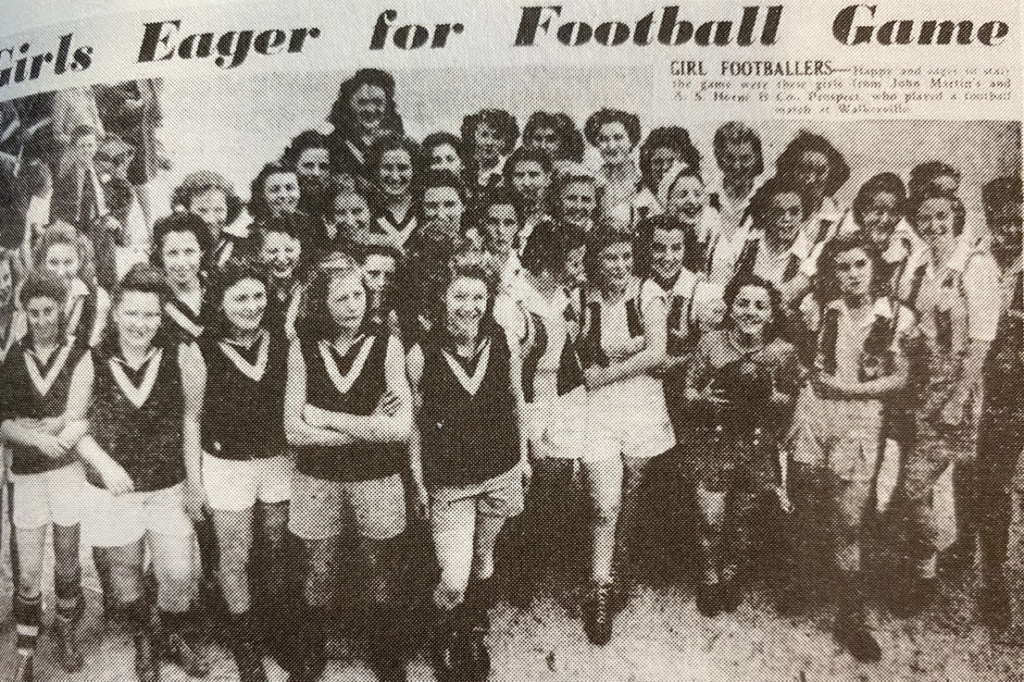
  • In 1947, several workplace female football teams in Adelaide played matches against each other. One of the teams was from the retailing firm, John Martin’s, and another was from ‘Fashornes’, representing A.S. Horne, a glove-maker.

Mail (Adelaide), 27 September 1947, p. 5, as published Brunette LenkiĆ and Rob Hess, Play On! The Hidden History of Australian Rules Football, Echo Publishing, 2016, p. 131.

1950's

  • In the post war phase, women were determined to establish a formal competition for themselves, rather than one-off charity games.
  • Interstate, a breakthrough of sorts took place when Evelyn Mooney and Dorothy and Judy Rogers were appointed as ‘LADY boundary umpires’ for men’s games in Victoria.  
  • The Morwell Advertiser ran the headline ‘It’s Happened at Last’ then reporting that women had ‘invaded one of the few remaining aspects of sport regarded as man’s prerogative’. 
  • It then continued, pointing out and praising Evelyn Mooney’s skills, saying she ‘disdains the usual method of running the ball to the centre – she usually hits the umpire on the chest with a perfect stab pass after a goal has been scored.’
  • Across the country, women’s football was gaining momentum. 
  • Women in the gold fields of Kalgoorlie were especially organised and keen. Sydney and Darwin had produced their first games. 
  • In Tasmania there’d been parochial matches take place between the island’s north and south. 
  • In Melbourne some VFL teams – Footscray and Geelong among them – aligned themselves with women’s teams. However, support and momentum were spasmodic.
  • Australia’s first interstate women’s football match took place between Victoria and Tasmania in Devonport in 1959, signalling perhaps a new era for the sport’s uptake.
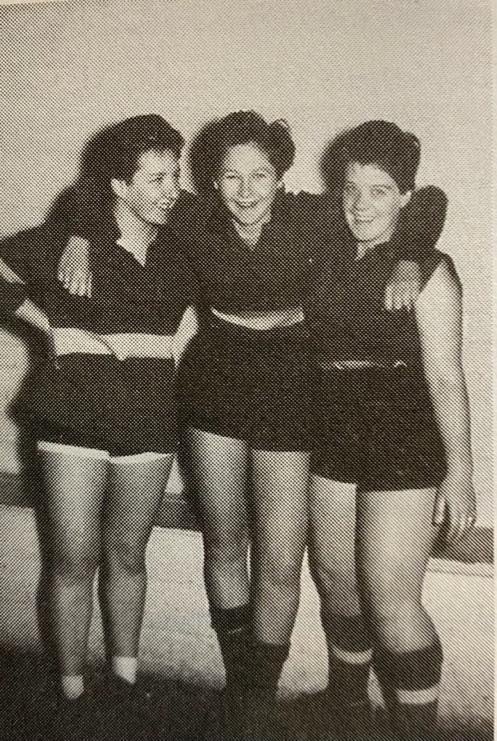
Sandra Gaskin and Margaret Jones
Teammates Sandra Gaskin (centre) and Margaret Jones (right) enjoyed the camaraderie of being involved in the women’s teams of the Footscray Football Club during the 1950s. Courtesy of Sandra Gaskin and Margaret Hollings, as published in Brunette LenkiĆ and Rob Hess, Play On! The Hidden History of Australian Rules Football, Echo Publishing, 2016, p. 138.

1960's and 1970's

  • Society was changing and women were less confined to home duties. Feminism was on the rise. It sought equal opportunity for all.
  • The SANFL Football Budget reported on a game supporting the 1968 Miss Australia Quest, consisting of two women’s teams coached by Sturt’s Bob Shearman and North Adelaide’s Geof Motley. 
  • It is notable that history highlights the well-known men’s names associated with the women’s game, but few of the women actually competing were recorded in media reports.
  • Meanwhile, as interest grew, in the respective schools of Norwood HS and Kadina HS, when a meeting was called for those interested, almost 150 girls attended to express their interest.
  • Language was also changing around the women’s game, less ridiculing and less divisive. 
  • The Budget also quoted SANFL Central Districts’ coach, Darryl Hicks saying, ‘there’s a women’s league in Victoria, so there’s no reason we can’t have one here’.

1980's

  • History shows that with a lack of support and recognition from men’s associations, coupled with the public’s attitude of ridicule and, if not ridicule, light heartedness, it had taken decades for formal leagues to be established.
  • By the 1980s however, the groundswell of interest could not be denied.
  • State-based leagues finally emerged in the 1980s – the first was the Victorian Women’s Football League (VWFL) formed in Melbourne in 1981.
  • The West Australian Women’s Football League (WAWFL) followed, formed in Perth in 1988.
  • It was to be three years later that a women’s league was established in Adelaide. Fundamentally this was the foundation to the AFLW.

1990's

  • It had taken a young, enterprising, not-to-be-denied woman called Gina Dutschke to arouse the hither-to dispossessed and silent numbers of women who were passionate about playing football.
  • Dutschke shepherded those women into an identifiable organisation with significant leadership from the then Women’s Advisor to the SA Minister for Recreation, Sport and Racing, Jenny Williams.
  • Level 0 coaches’ courses, lightning carnivals, and skills development clinics were organised.
  • The South Australian Football League was established in 1991 with Gina Dutschke as President. 
  • The 1991 Grand final saw Thunderbirds defeat Hectorville Hawks by 13 points. Ros Kitschke was voted best on ground.
  • While development was slow over the succeeding years, players had the opportunity to represent South Australia with interstate matches which began in 1991. 
  • The instability of the league is reflected in the fact there were six changes in the Presidency of the SAWFL during this decade.
  • One player in particular, Tiffany Lee from North Adelaide, dominated the League with her skills and competitiveness from 1992-2003, winning the Dutschke medal for the League’s Best and Fairest player a massive six times.
  • Lee also won the Trudy Glazbrook leading goal kicker award five times.
  • Trudy Glazbrook was the League’s leading goal kicker for a record four consecutive years in the early 1990s (and won a fifth in 1998). Hence the award was named after her.
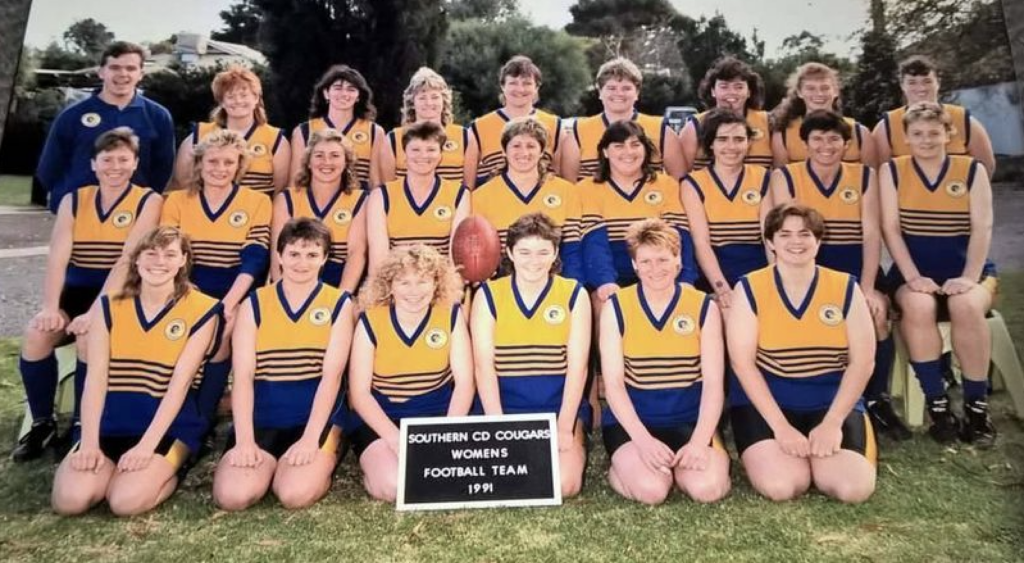
One of the six founding teams Southern Cougars 1991 - Supplied by Gina Dutschke
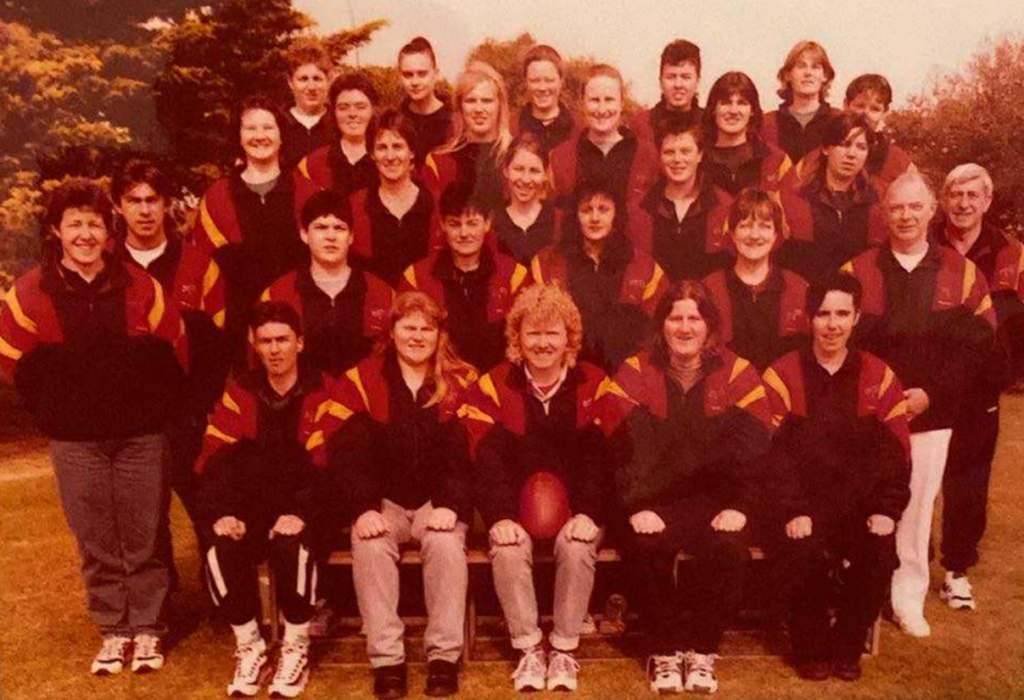
1996 State team. Trudy Glazbrook (captain) front row holding the ball - Supplied by Gina Dutschke

2010's

  • In 2010 and 2011 Central Districts and Modbury entered the competition, expanding it to a home and away series. Some clubs could then host full home days from juniors to senior men’s and women’s sides. 
  • 2012 and 2013 brought the introduction of an U18 Girls comp. The senior league also expanded with 3 teams, Pooraka, Ingle Farm & Adelaide University joining.
  • Those 10 clubs then split the league into 2 Divisions to allow for future growth.
  • In early 2014, the league partnered with the Channel 9 Adelaide Football League (formerly SA Amateur Football League) and implemented its own Board.
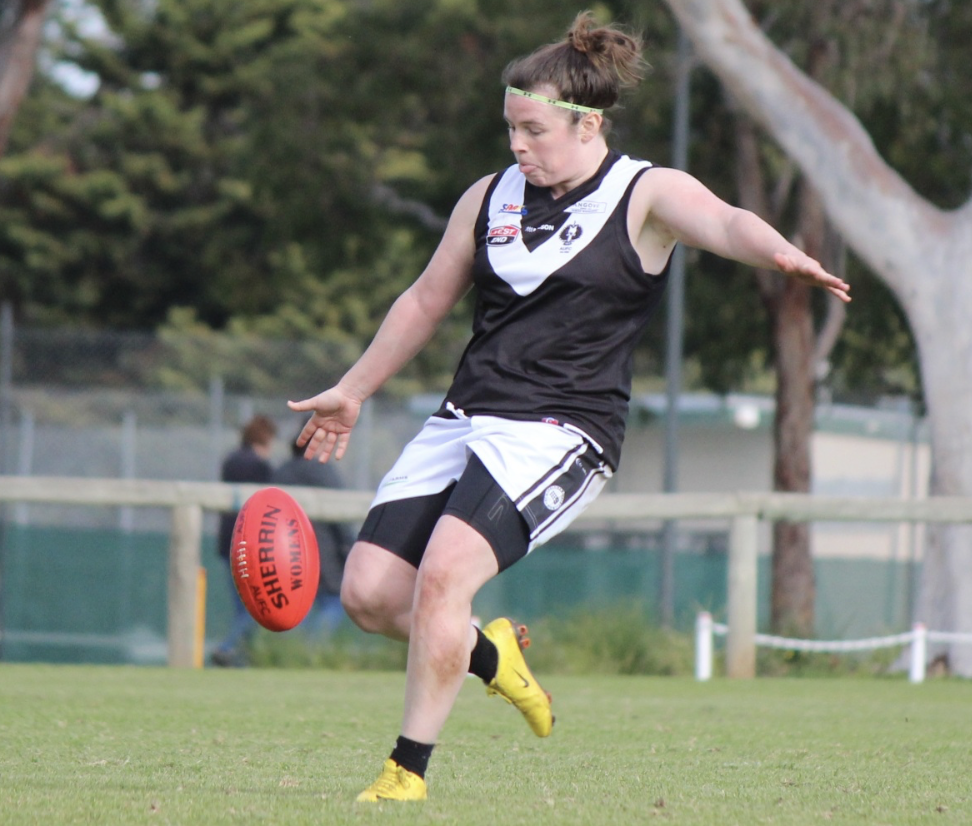
  • In 2017, partnering with the SANFL, the league became the SANFLW.
  • Playing for the Eagles then West Adelaide, Fiona Clancey became the league’s longest running leading goalkicker, awarded the Glazbrook Medal 2008-2013 inclusively.
  • In 2016, the AFL announced its eight inaugural clubs including the Adelaide Football Club, which partnered with AFL Northern Territory as a joint alliance.
  • Adelaide then signed its first two marquee players – West Australians Chelsea Randall and Kellie Gibson and appointed a coaching panel headed by Bec Goddard and Andrew Hodges.
  • Adelaide’s squad build was boosted by the surprise signing of Olympic basketballer Erin Phillips, who was playing for US club Dallas Wings in the WNBA.

2020's

  • By season 2019-20, there were 14 teams in the competition, but the season was ultimately disbanded, and no premiership was decided because of the pandemic.
  • In 2021, the AFL disbanded the previous conference system and reverted to a single ladder competition.
  • Adelaide’s Sarah Allan, Erin Phillips, and Ebony Marinoff were named in the 2021 All Australian team. 
  • In front of an Adelaide Oval crowd of almost 23,000, the Crows lost the grand final to Brisbane by three goals.
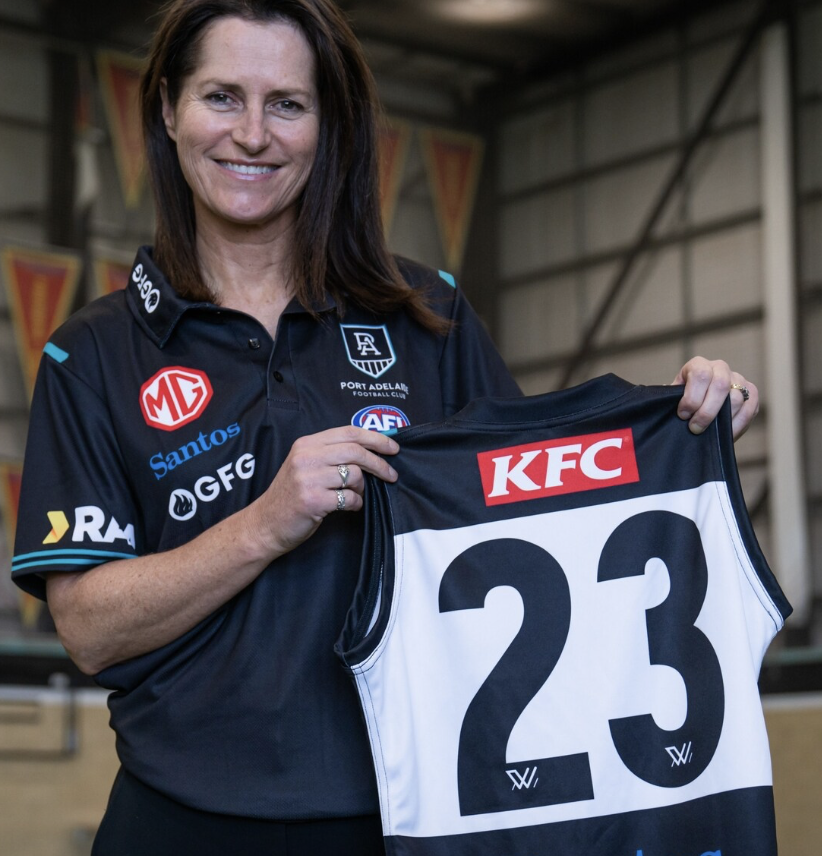
  • Port Adelaide entered the competition in 2022 with Olympic hockey gold medallist, Juliet Haslam, appointed head of football operations for the AFLW program, while Lauren Arnell was appointed head coach, and Erin Phillips captain.
  • It was also the first season to have all 18 clubs represented and the first season to start in August and therefore partially overlap with the men’s season. It also had a 10-round home and away season.
  • Under coach Matthew Clarke, Adelaide won the 2022 title and had four players selected to the All-Australian team – Ebony Marinoff, Ann Hatchard, Sarah Allan and Ashleigh Woodland.
  • The AFL announced that the prize money would rise from $623,922 to $1.1m for the upcoming season, matching the prize money for the men’s competition, however the money would be split across the season’s top eight teams. 
  • The AFLW Players Association continued to advocate for a longer season.
  • In a five-year collective bargaining agreement, it was announced that AFLW player payments would increase by 29% for the current season (to an average wage of $60,000), with the average wage to increase to $82,000 by 2027.
  • Four players from the AFC are selected in the All-Australian team – Danielle Ponter, Ebony Marinoff, Niamh Kelly and Chelsea Biddell.
  • In 2024, of the 18 clubs, five had female head coaches. Port Adelaide finished the season with stunning success, eventually being eliminated in the first preliminary final.
  • Ebony Marinoff won the AFLW Most Valuable Player and was named Vice Captain of the 2024 All-Australian team.
  • Across the league, the average home game attendance was 2,658.

Bibliography:

Brunette Lenkić and Rob Hess, Play On!: The Hidden History of Women’s Australian Rules Football, Echo Publishing, Melbourne, 2016. 

National Museum Australia, ‘First AFL women’s game 2017’, <https://www.nma.gov.au/defining-moments/resources/first-afl-womens-game> 

Meg Saultry March 22 2018, 100 Years of women’s football, AFL Website, <https://www.afl.com.au/news/139446/100-years-of-womens-football> 

Chelsea Roffey, July 25 2008, ‘You play like my grandmother!’, AFL Website, <https://www.afl.com.au/news/118149/you-play-like-my-grandmother> 

Samantha Lewis, 20 July 2023, ‘Out of the shadows: How women’s football flourished after 50 years of darkness’, ABC News, <https://www.abc.net.au/news/2023-07-20/out-of-the-shadows-womens-football-soccer-fifa-world-cup-2023/102321436> 

December 18 2025, Mike Sexton, ‘Kicking off women’s league’, SANFL website, <https://sanfl.com.au/league/news/kicking-off-womens-league/> 

Peter Argent, Best on ground performance, Jenny Williams: Some highlights of Jenny’s Career, <https://bestongroundperformance.com/jenny-williams/> 

Thomas Conlin, July 22 2014, Catherine Mulvihill to play her 300th in the South Australian Women’s Football League this weekend, news.com.au, <https://www.news.com.au/national/south-australia/catherine-mulvihill-to-play-her-300th-game-in-the-south-australian-womens-football-league-this-weekend/news-story/91b46be0320f586ec9771e677d4b6d81> 

Adelaide Footy Women, South Australia Women’s Football League, 300 Game Milestone, <https://websites.mygameday.app/assoc_page.cgi?c=0-6951-0-293724-0&sID=377563> 

The Start of AFLW, Adelaide Football Club, <https://crowshistory.afc.com.au/the-start-of-aflw> 

Katrina Gill, 23 Dec 2015, SA coach joins women’s bid, Adelaide Crows Website, <https://www.afc.com.au/news/129371/sa-coach-joins-womens-bid> 

Wikipedia, Chelsea Randall, <https://en.wikipedia.org/wiki/Chelsea_Randall> 

Sarah Black, Feb 3 2017, The Journey so far – the evolution of the AFLW, AFL Website, <https://www.afl.com.au/news/50722/the-journey-so-far-evolution-of-the-aflw> 

Olivia Cleal, Women’s Agenda, Erin Phillips may be retired, but when it comes to women’s sport, she’s here to stay, Women and Leadership Australia, <https://www.wla.edu.au/post/erin-phillips-womens-sport/> 

Erin Phillips, Port Adelaide, AFL Website, <https://www.portadelaidefc.com.au/players/aflw/1502/erin-phillips> 

Erin Phillipa, Adelaide Crows, AFL Website, <https://www.afc.com.au/players/1502/erin-phillips> 

Wikipedia, Bec Goddard, <https://en.wikipedia.org/wiki/Bec_Goddard> 

Portadelaidefc, Nov 29 2023, Haslam steps down as Head of AFLW, Port Adelaide Football Club, <https://www.portadelaidefc.com.au/news/1471829/juliet-haslam> 

wikipedia, Ebony Marinoff, <https://en.wikipedia.org/wiki/Ebony_Marinoff> 

Ebony Marinoff, Adelaide Crows, AFL Website, <https://www.afc.com.au/players/aflw/1549/ebony-marinoff> 

Lauren Arnell – Senior Coach, Port Adelaide, AFL Website, <https://www.portadelaidefc.com.au/teams/coaches/lauren-arnell> 

Matilda Scholz, Port Adelaide, AFL Website, <https://www.portadelaidefc.com.au/players/aflw/11821/matilda-scholz> 

Grokipedia, Matilda Scholz, <https://grokipedia.com/page/matilda_scholz> 

Anne Hatchard, Adelaide Crows, AFL Website, <https://www.afc.com.au/players/aflw/1634/anne-hatchard> 

Wikipedia, Anne Hatchard, <https://en.wikipedia.org/wiki/Anne_Hatchard> 

STORIES OF OUR PIONEERS

Meet the trailblazers of SA's Australian Rules Football. 

Airelie Keen

Airlie Keen was appointed to the FIFA Assistant Referees Panel each year from 2001 to...

Alison Peek

Alison Peek’s open, fun-loving, welcoming ways clearly belie an unfaltering, unrelenting attitude on the field....

Ann Gibbons

Ann Gibbons was one of only two female inductees into the Football SA Hall of...

Anna McVann

Selected for the XXIII Olympics in Los Angeles at the age of just 15, Anna...

Anna Pazera

Rather than return to Communist Poland, Anna Bocson (Pazera) stayed in Australia after competing in...

Anne Hatchard

The 175cm mid-fielder highlighted her dominance by winning the Adelaide Football Club’s best and fairest...

Anne Shanley (Cooper)

In 1950, Anne Shanley was SA’s first female National Champion, the first female National record...

Anne-Marie Knight

In 2016 Anne-Marie Knight was the first female in South Australian PGA history to be...

Annie Fidge

Annie Fidge is part of a family softball dynasty. Her mother, Julie Dale, is a...

Barb Mattson

Barb Mattson captained her club team Brighton to State League premierships, the SA state team...

Barbara Bawden

Barbara Moffatt’s height gave her additional reach, which together with her flexibility were significant assets...

Barbara Phillips

A 1950 media report said: “Barbara Phillips (pitcher) proved … that she can not only...

Bec Goddard

After more than a decade of junior involvement in footy as a player then goal...

Belinda White

In her international retirement speech, “after 13 years - 4 world championships, 2 qualifiers, 1...

Bobby Milburn

Bobby Milburn

A skilful medium-pace bowler, Bobby Milburn played for Australia for over a decade in the...

Brenda Pearl

Brenda Pearl became the first woman in the southern hemisphere to be selected on a...

Brooke Kruger-Billett

As neither SA nor Australia had a strong tradition in throwing the 4kg hammer, in...

Carla Boyd

Carla Boyd was a key player in the Opals team through the 1990s that emerged...