
Lacrosse

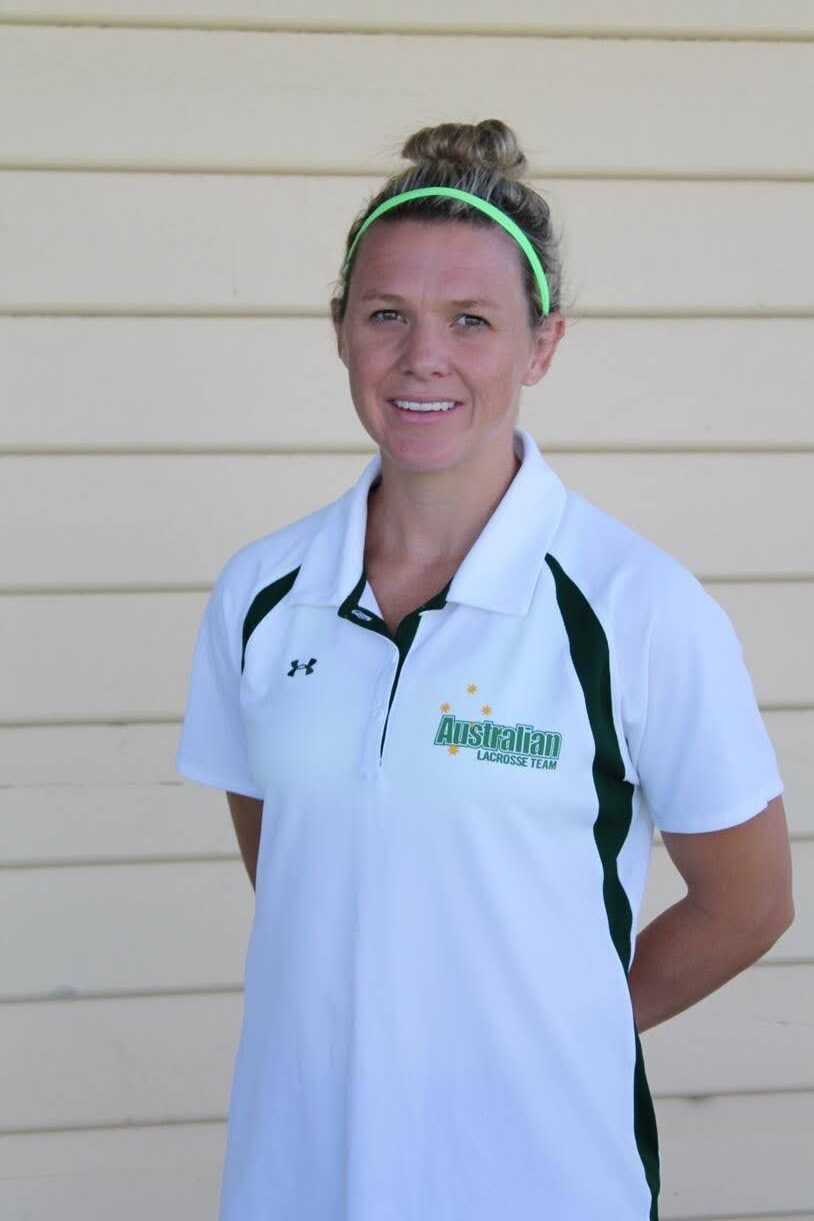
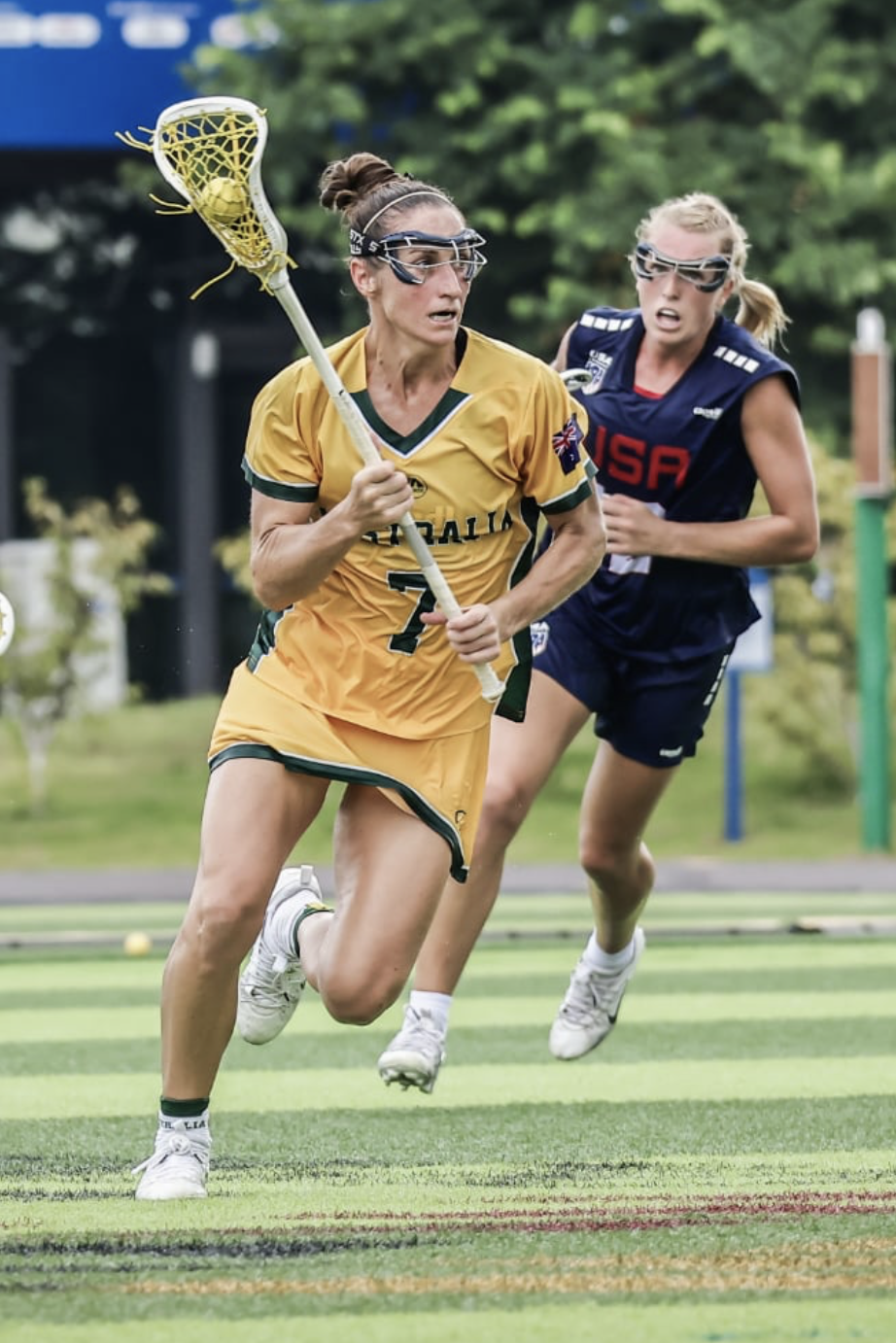
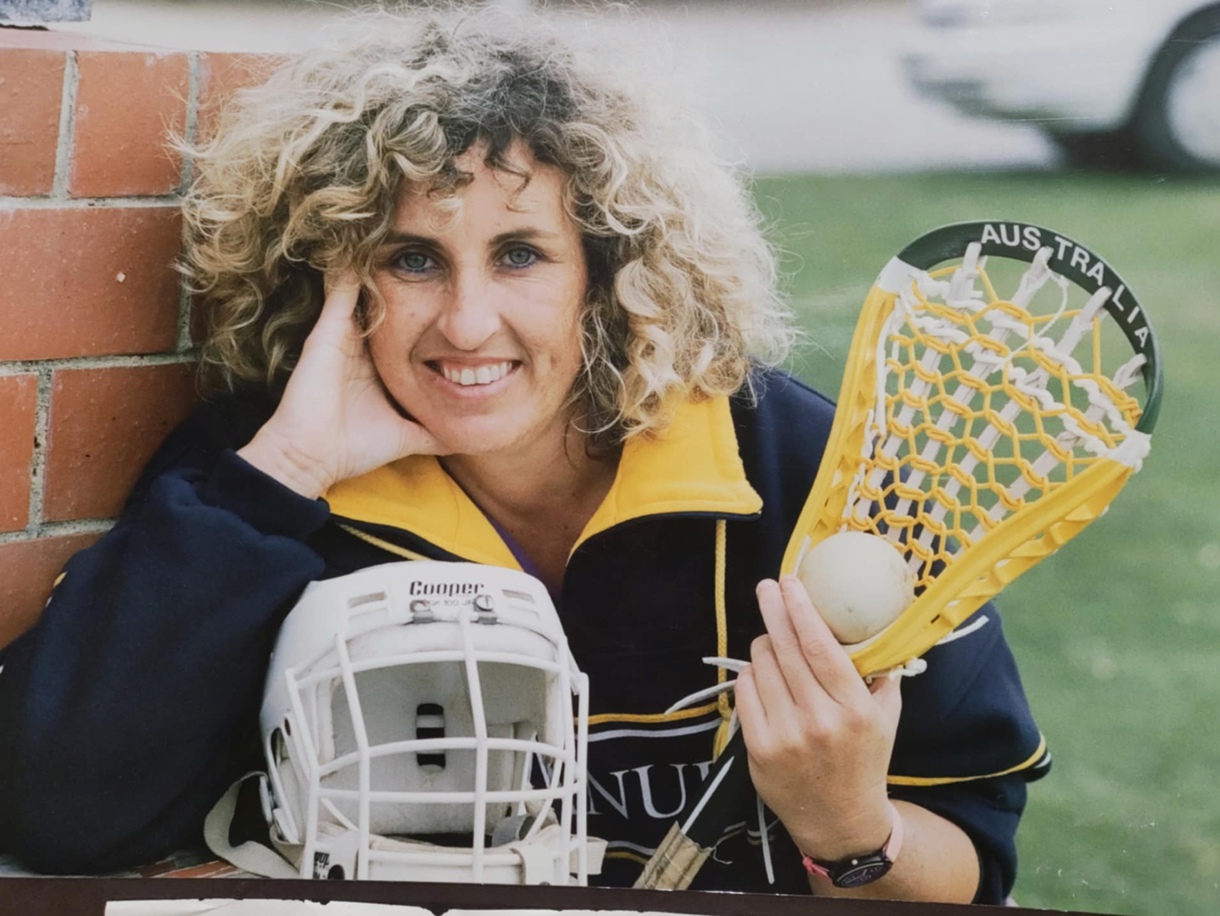
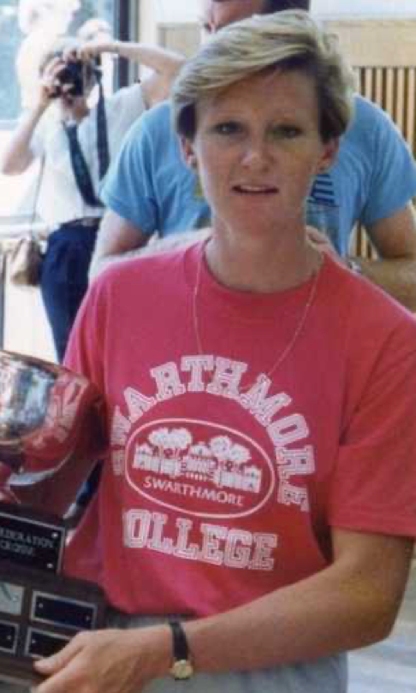
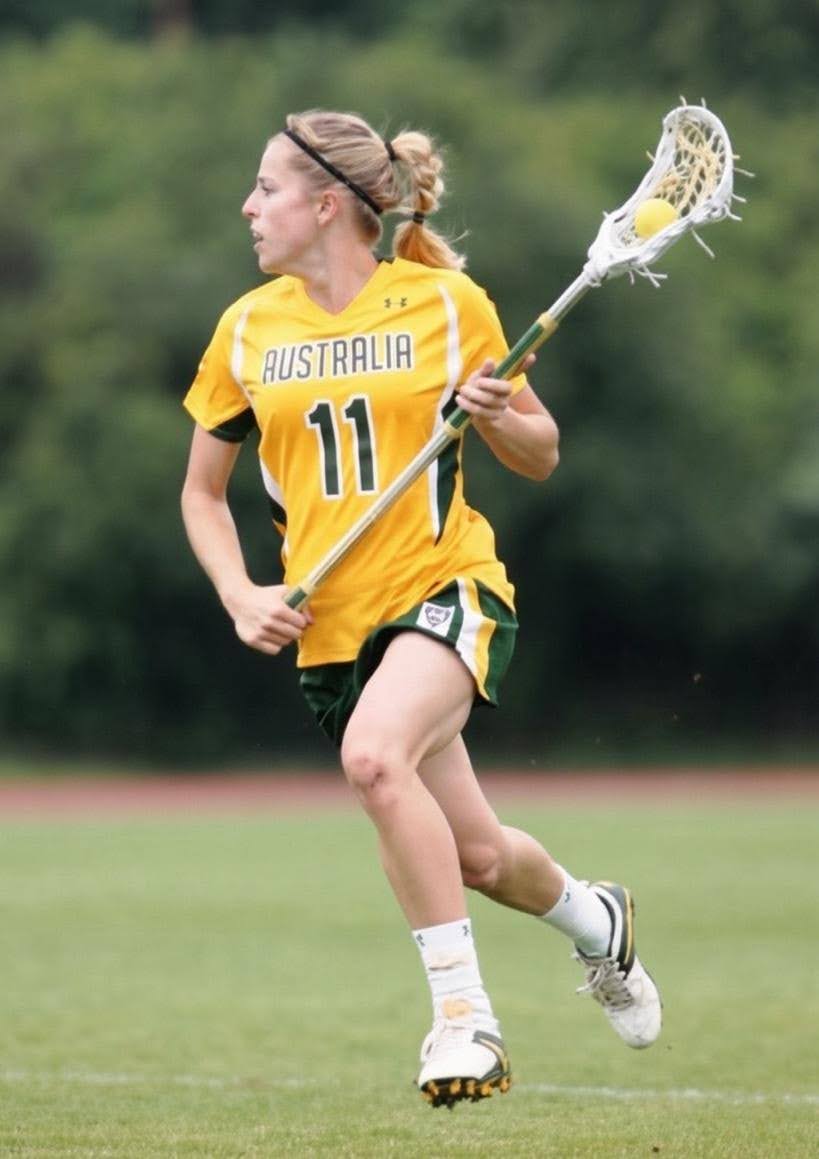
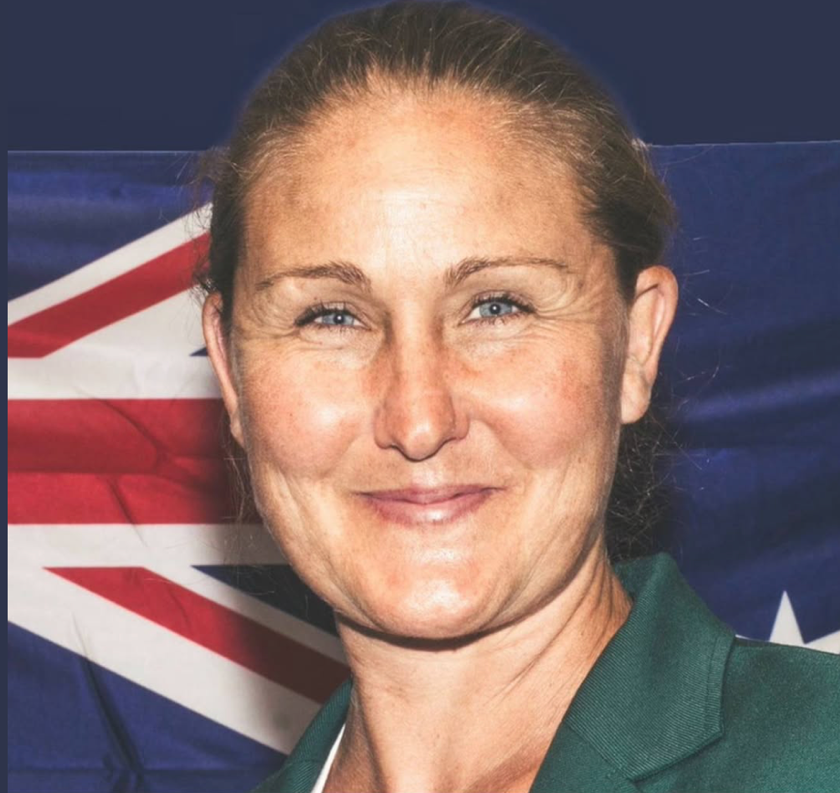
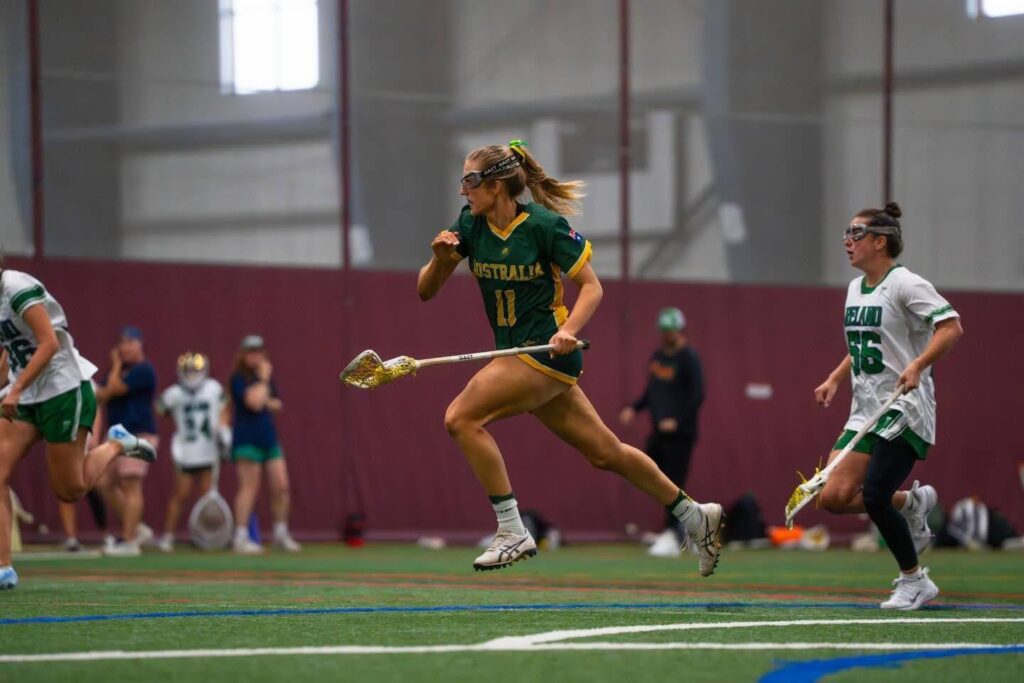
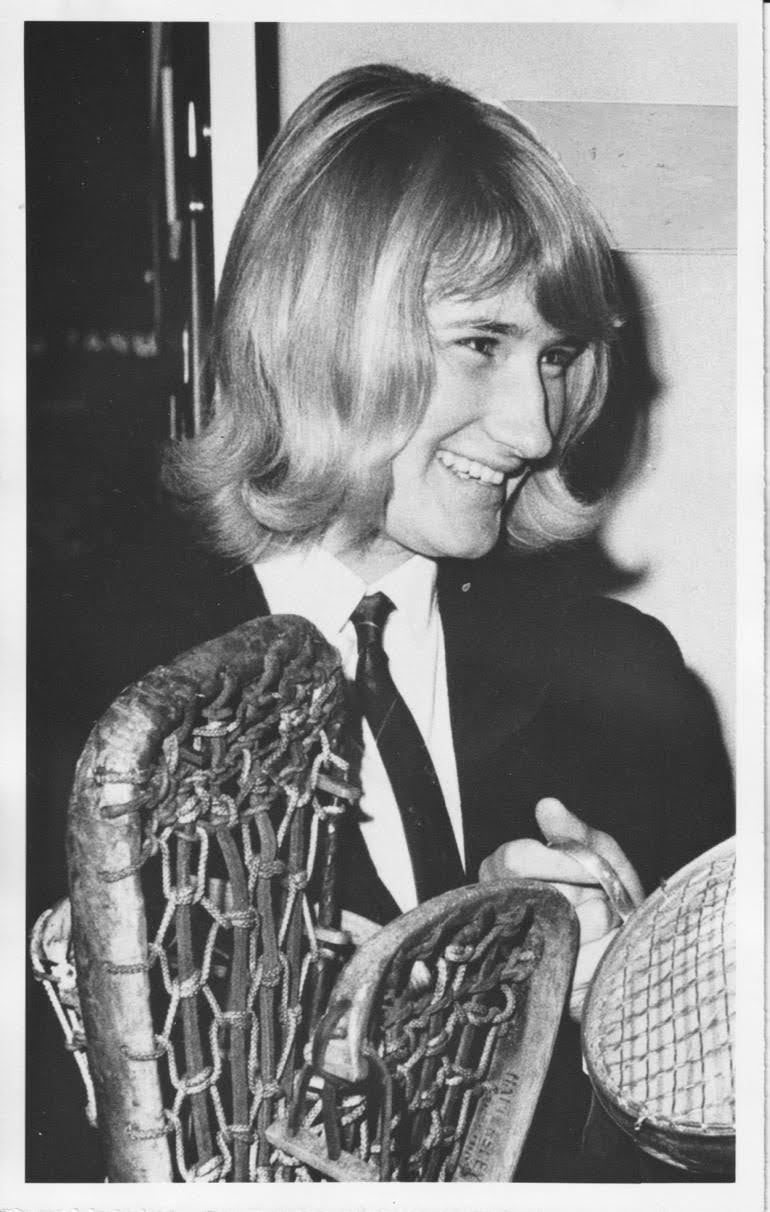
Olivia Parker - Australian Player - Supplied by Olivia Parker

MODERN TIMES

  • Called the ‘Fastest Game on Two Legs’, lacrosse in Australia is an amateur sport based on a club model. Players pay club fees to play.
  • Lacrosse promotes itself as an enjoyable, inclusive, family-oriented sport – with participants largely drawn to lacrosse for its uniqueness and athleticism.
  • The Australian Lacrosse Championships (Senior and Under 18) – where the best players from each state compete against each other for the national title, provides an elite pathway into the national team.
  • The sport has three versions – Field Lacrosse, Box Lacrosse and Sixes Lacrosse, the latter being included for the first time in the 2028 Olympic Games in LA.
  • Select SA players have gained lucrative scholarships to USA Colleges and on completion of their time, some have chosen to play and coach professionally in the United States and Canada, earning six figure salaries.
  • Australia has been involved in every significant world lacrosse development, including competing at every World Championship, Senior and Under 19/20 since inception.
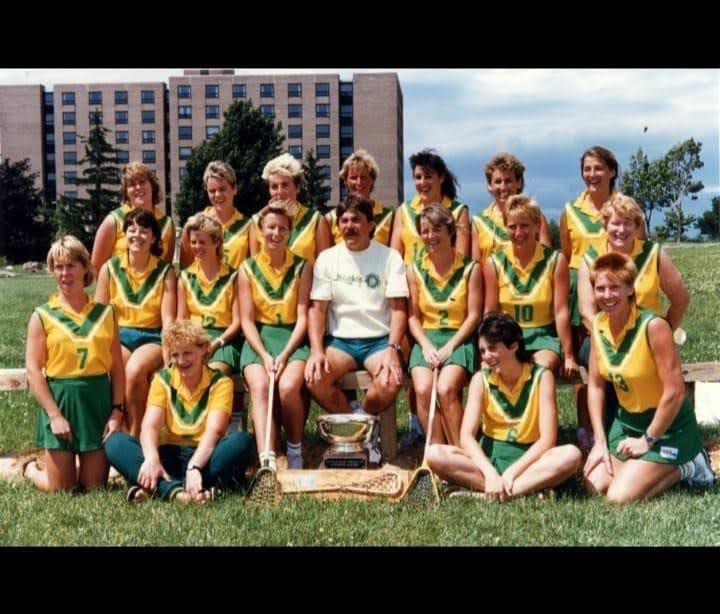
  • Australia is the only country to beat the USA and the only country to win the coveted Senior Women’s World Cup, twice, (1986 and 2005) and the Under 19 World Cup (1995).
  • Australia’s great success on the world stage is supported by its hallmark fearless, attacking and aggressive style of play, as well as leading in and adapting to rule and style changes.

RECORDS. MILESTONES. MOMENTS.

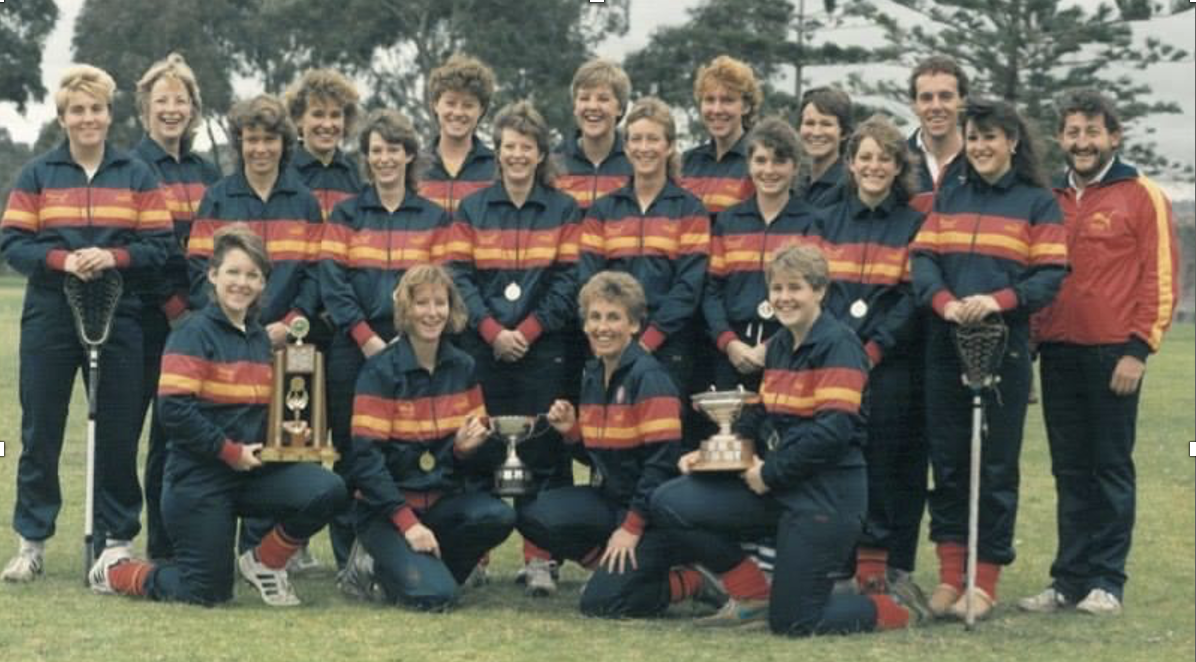
In 1985, SA won the first of what would be 11 consecutive national titles during a famously successful period for this State.

The Brighton Lacrosse Club has played a massive role in developing female superstars of the world stage – Trish and Jen Adams, Sonia LaMonica and Hannah Nielsen.

Known widely as someone who prefers to avoid the spotlight, there is still arguably no other person in SA who has been more influential in teaching, playing, coaching and expanding the game for females than Jean Bain.

HISTORICAL TIMELINE

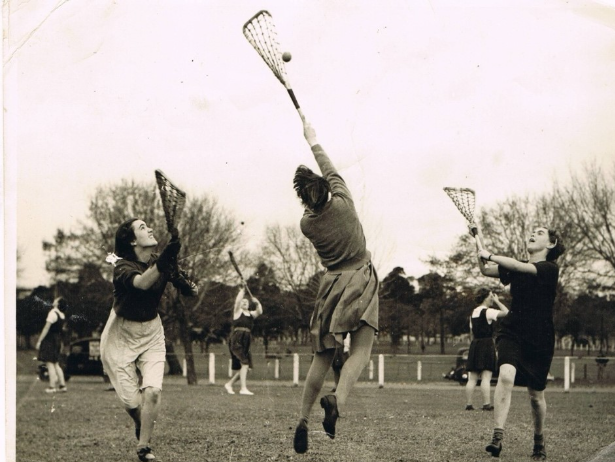
Women’s lacrosse 1930s - Source: Lacrosse Australia

1910's

  • By 1915, the Jamestown Ladies Lacrosse team had been formed and a recommendation from the SA (men’s) Lacrosse Association meeting, to sell a dozen boys lacrosse sticks – cheap and lightweight – to the women was carried out.
  • While the men’s game had taken a strong foothold across the state, lacrosse was beginning to flourish amongst the women in the Jamestown area. – Trove Critic June 1915
  • Elsewhere in Australia, a women’s club had been formed in Sydney by 1913 and an association by 1914, (Trove Referee June 1914).

1930's

  • A PHYSICAL INSTRUCTRESS Miss Louise Hardy came to SA from England, where she had instructed at several leading girls’ schools, and noted a strong uptake of lacrosse.
  • Girls wear gloves to protect their hands but were seldom hurt, she said.
  • By 1930, she was instructing lacrosse at St. Peter’s Collegiate Girls’ School and Girton House (now Pembroke).
  • Those who have watched men play club, interstate, and international lacrosse matches, have not been impressed with the great Canadian pastime as a women’s or girls’ recreation, but, in girls’ lacrosse, there are stricter rulings and if there is the slightest tendency to roughness the offenders are promptly penalised, (Trove The Register News-Pictorial Adelaide Sat 8 Feb 1930).
  • The Adelaide News reported in an article dated 29 July 1931 the following: GIRLS WANT TO PLAY LACROSSE “No more Dangerous than Hockey”  
  • Several Adelaide girls are enthusiastic about the possibility of a women’s lacrosse association being formed in SA. … “Lacrosse is a thrilling game,” said one of the girls who attends Adelaide matches regularly. I do hope that we will have a chance to play it here. I do not think it’s any more arduous than hockey or tennis or other sports that women play …”  (Source: Trove Adelaide News July 1931).
Source: Trove The Australian Women’s Weekly November 1936

1960's

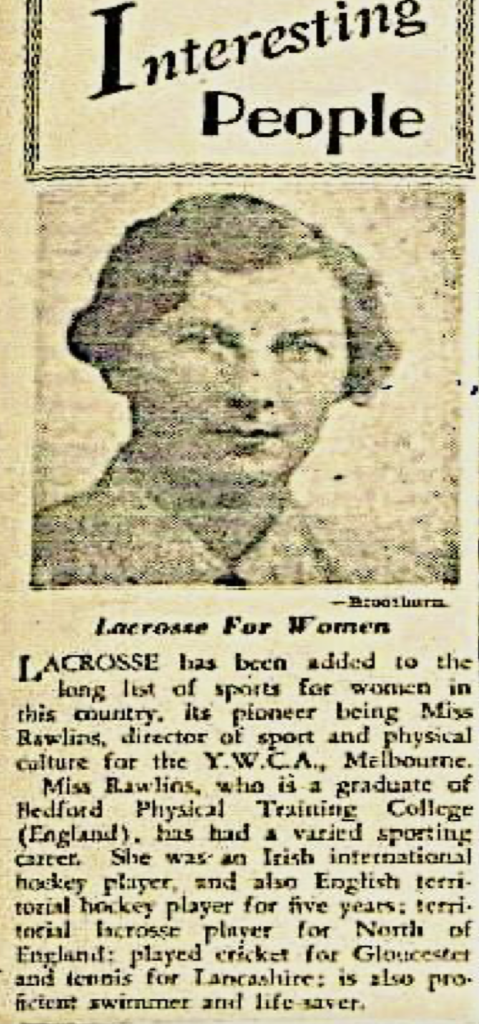
  • Having initially laid its roots in Victoria in the mid 1930s, courtesy of the YWCA’s head of physical education, Miss Nell Rawlins who had previously played in England, women’s lacrosse began to flourish in SA in the 1960s. 
  • Ann Fleeson and Joy Gomer were the lone Sturt supporters at a men’s match in the South Park Lands in 1960, discussing the absence of a women’s competition.
  • Ann Fleeson is considered the founder of the SA Women’s Lacrosse Association, enthusing the Sturt men’s club and other clubs to help. 
  • Although the women were officially supported by SALA with offers of help with coaching, grounds, bridging finance and equipment, there were still scathing comments about the ability of females to play such a fast and skillful game. 
  • The first public announcement about the formation of the association appeared in the Advertiser on 7 July 1961.
  • The committee consisted of:
    • President: Mary Shaw,
    • Chair: Ann Fleeson,
    • Secretary: Joy Gomer,
    • Treasurer: Pat Vial and
    • Committee members: Jan Jones, Lydia Schaxson, Betty Rowley, G Higgs, Ms. Walker, Wendy Lemon and Jan Plaisted. 
  • The first lacrosse sticks arrived from England along with a training film.
  • The first matches were played as exhibition matches during the men’s night lacrosse season at Norwood Oval in April 1962. 
  • Further teams were formed at Plympton, Brighton and Seacombe High Schools, coached by Don Gomer and Jean and Barry Bain.
  • News of the SAWLA soon filtered through to Victoria, where they had attempted to start an association in the 1930s. It had faltered during WW2 and had remained dormant.
  • A match was scheduled to help strengthen both associations. SA invited Victoria to play a curtain-raiser match before the men’s interstate match on Norwood Oval. 
  • Officials from SA and Victoria met during that weekend and the Australian Women’s Lacrosse Council (AWLC) was formed.
  • 1963 saw the SA association double in size: two Brighton High teams, Plympton High, Sturt-Wallabies, Brighton Kinkajous, Seacombe High, Marion High and West Torrens District. 
  • Meanwhile a high school competition was organised between Marion, Seacombe, Plympton and Brighton high schools.
  • The SA state team was coached by a woman for the first time in 1965, Pauline Hallett, a former UK player, at the first ever women’s national championships between SA, Victoria and Western Australia. SA won the inaugural championship and was awarded the Joy Parker Trophy.
  • 1967 saw the introduction of two grades in the local South Australian competition.
  • In 1967 Elizabeth Armstrong commenced playing in the first Brighton High team and was named captain-coach of the SA team. SA won the Shaw Cup in defeating Victoria 8-4.
  • In 1969, a three-state carnival was played in Melbourne, where an Australian team was selected to tour and play teams from Britain and United States in Perth.
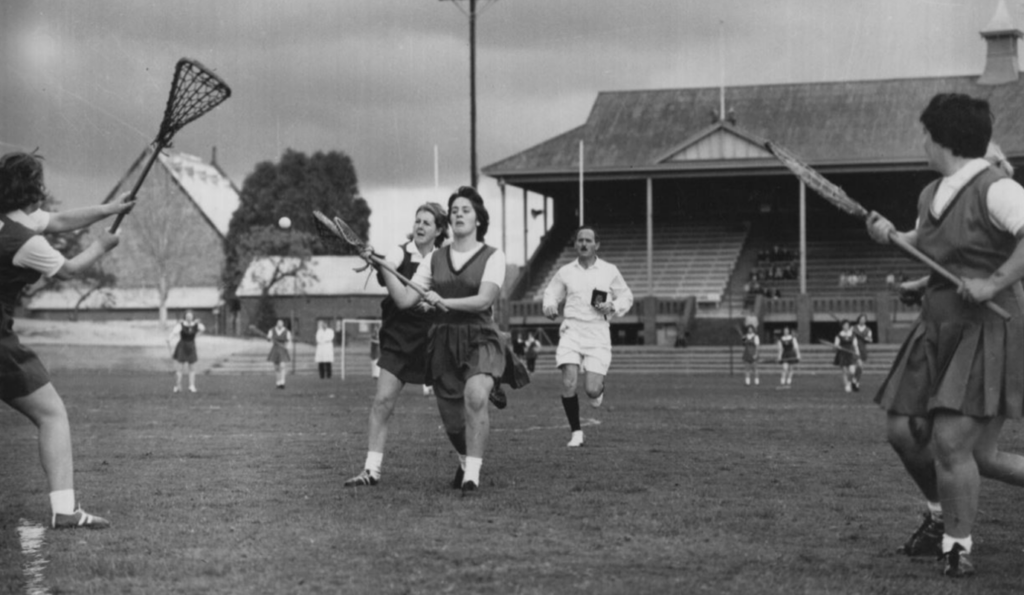
Barbara Kohler for SA leads an attack in the first interstate game in 1962 - Source: Lacrosse SA.

1970's

  • Such was the dominance of the Seacombe Women’s Lacrosse Club (SWLC), particularly through the 1970s decade, that it played in every state league grand final except in 1971 when Plympton defeated Brighton.
  • In some seasons, the club had two teams playing off in the A Grade grand- final. In all, the Seacombe won nine consecutive premierships in that decade.
  • A touring Australian team – the first ever – was chosen after the nationals in 1970 to leave Australia’s shores in 1972.
  • Given the expense of the trip, several players withdrew. The cost, all funded by the players, was in the vicinity of $2000, or $16,000 in today’s terms.
  • The tour was dubbed “The Women’s Weekly World Tour” because of the many stopovers. The SA representatives trained under Barb Mattson leading into their departure.
  • By 1975, the men had moved to the modern game of 10 players on the ground and six substitutes, while the women retained the old English version of 12 players.
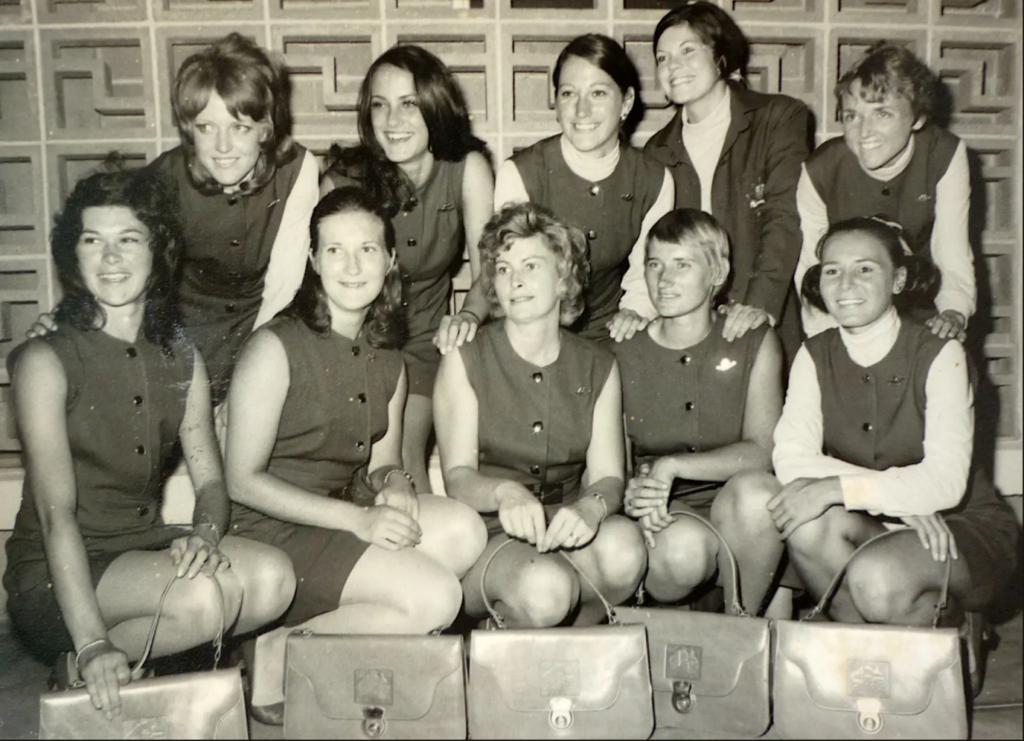
The 1972 SA women's lacrosse team - Source: Lacrosse SA

1980's

  • With the expansion of the game interstate and greater access to international competition, the 1980’s was a very busy and successful decade for women’s lacrosse in SA. There was a marked improvement in skill level and game knowledge from SA and Australian players, together with innovative and often controversial rule developments.
  • Player-turned coach, Peter Koshnitsky emerged as a leading coach of female players, encouraging and expanding on a running and passing, free-flowing game, refinement of skills, and varying defensive strategies. His influence was to prove significant throughout the 1980s and into the 90s.
  • In 1981, the USA toured Australia, playing five Test matches – one in Hobart, Melbourne and Perth and two in Adelaide.
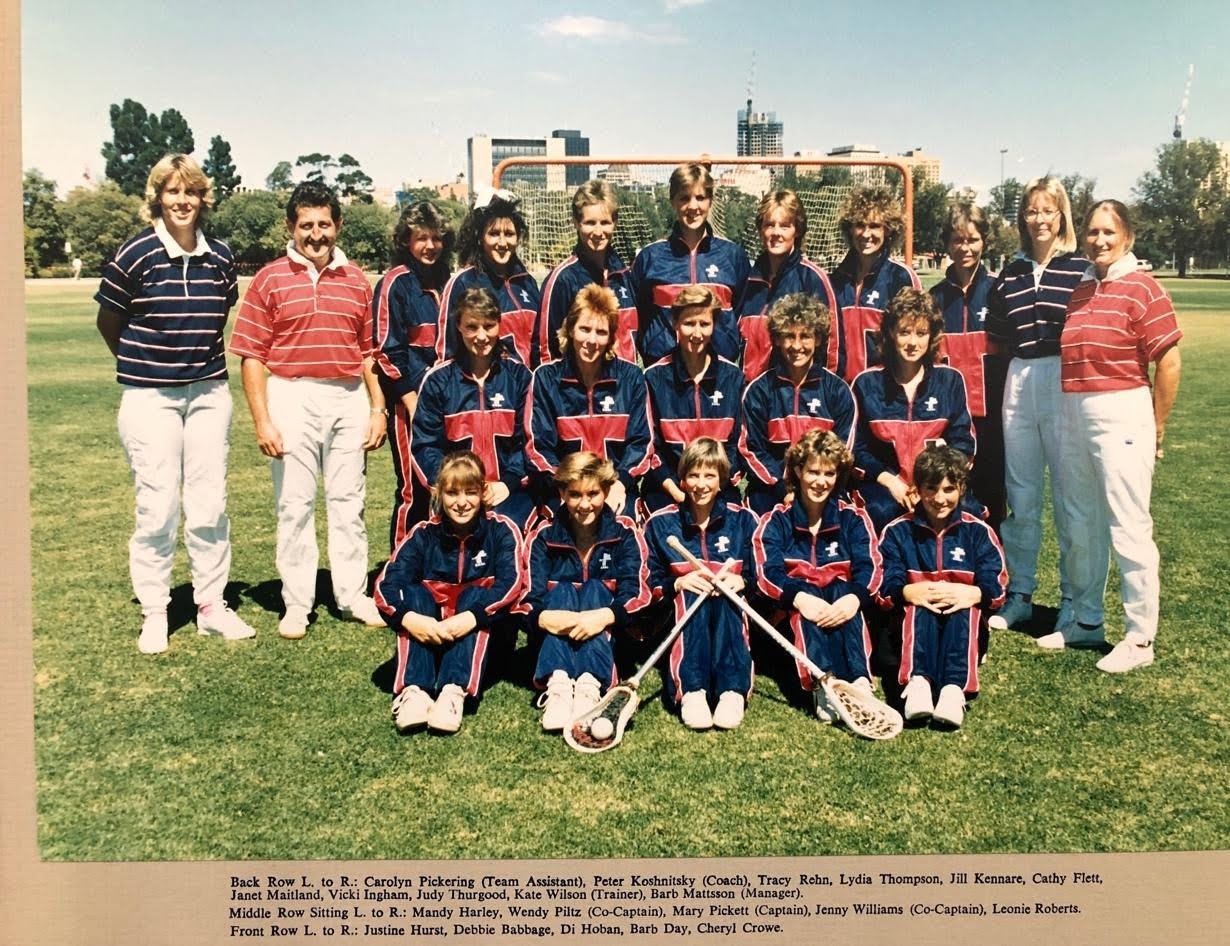
  • Under the coaching of SA’s Barb Mattson, Australia claimed their first ever win against the USA on this tour. It was cause for great celebration and lifted the self-assurance of the Aussies.
  • Adelaide College of Advanced Education (ACAE/College) entered the SAWLA competition as a new club in 1981. The majority of players had come through the program run by Jean Bain and Pam Withers, specifically for tertiary Physical Education students at ACAE. Many initially played for an already dominant SWLC. The formation of a new club strengthened lacrosse in South Australia.
  • College won a total of 9 A grade premierships (1981-83, 85-87, 92-94) including the latter as Uni of SA.
  • In 1982, the first Women’s World Cup of Lacrosse, run by IFWLA, was held at Trent Bridge Oval, Nottingham, England. There were 6 teams competing.
  • Australia excelled under SA coach, Pam Withers, winning through to the final against the USA. Australia led 6-1 at half time, but at the end of an almighty tussle, the score was locked 7-7 at full time. Ultimately it was the USA taking the world title 10-7 in extra time.
  • Two South Australians, Mary Pickett (Captain) and Shirley Ploog, were members of that team, both being named in the All-World Team at tournament’s end. Mary Pickett was named captain of the All-World Team and Shirley Ploog the Most Valuable Player.
  • Other South Australians to feature in their first world cup were: Kathy Benger, Julie Forrest, and Mary Worthley.
  • During the mid 1980’s lacrosse sticks had progressed from the traditional wooden frames to plastic moulded head sticks, allowing players more versatility in their skills, including the use of both left and right hands. There was a gradual acceptance of the new style of stick.
  • Also during this era, the goal keeper’s stick was changed from the same stick used by field players to one with a much larger head. (same as the men’s)
  • Further, dissension arose between some sections of the sport over the use of protective headgear. A hard solid ball, sticks carried at head height and fierce competition resulted in various incidents of head injuries. Some players had adopted a more aggressive playing approach which, they argued, demanded the wearing of protective gear. 
  • As the movement grew, led by Wendy Piltz, Jenny Williams and coach Peter Koshnitsky, the national body pushed back, threatening to disaffiliate SA.
  • SA President, Barb Mattson, showed outstanding leadership throughout this time, advocating for progress and SA’s vital role in that. It was a controversial period for the game.
  • The view held by some administrators was that if the skills had been taught and used correctly, such protection would be unnecessary. They also argued it detracted from the aesthetics of the women’s game, and it would encourage more physical, violent play.
  • In 1985, SA won the first of what would be 11 consecutive national titles.

1990's

  • During the 1990s, the game was expanding and deepening across the country, although Queensland, Tasmania and NSW remained slow in their development.  
  • In the early 90s, time-outs and substitutions on the fly were introduced. Previously, substitutions could only be made when an injury had occurred.
  • Significantly, also in the early 1990s, following an almost decade-long tussle, the national body finally relented to allow optional use of protective head gear for female players. It was an enormous breakthrough following leadership from SA’s players.
  • At the end of the 1992 Season, SAWLA and SALA officially combined to become one body known as Lacrosse South Australia.
  • In 1993, mouthguards became compulsory for all women’s games. 
  • The 1993 World Cup in Edinburgh, Scotland resulted in Australia winning the bronze medal, after the Aussies lost to the USA in the semi-finals but then defeated Canada comfortably in the bronze medal game. 
  • SA was represented by Cathy Flett, Sascha Newmarch, Tracy Rehn, Wendy Greaves, Debbie Babbage, Kylie Taylor, Lee Middelhuis, Stephanie Bolt, Janet Maitland and Judy Thurgood as Manager.
  • The very successful ACAE/College Club became University of SA in 1994 and won the premiership.
  • In 1995, the inaugural Women’s Under-19 World Cup was held. Australia would go on to defeat the USA, on USA soil, in the final, (5-4).
  • In a dazzling period for SA, by 1995, the SA State team had become so dominant at national level, the team won its 11th consecutive Australian Championship title. The strategic mind of coach Peter Koshnitsky was at the helm through most of that period.
  • In February of 1996, after several years of declining numbers, the Seacombe Women’s Lacrosse Club, which had been richly successful in establishing and expanding the game in SA, winning many state league titles and producing state and international players – was officially dissolved.
  • The 5th World Cup was played In 1997 in Tokyo Japan, this time under the coaching of SA’s Jenny Williams, Australia took one step closer to the dais reserved for World Cup champions, going down in a compelling performance against the US, losing 2-3 in overtime.
  • That team comprised eight South Australians, five of whom were returnees from 1993:
    • Cathy Flett,
    • Wendy Greaves,
    • Kylie Taylor,
    • Lee Middelhuis and,
    • Tracey Rehn.
  • First timers were:
    • Cath Morphett,
    • Sarah Aston and,
    • Michelle Thomson. 
    • Coralie Owen and Carolyn Pickering were manager and statistician respectively.

2000's

  • Although SA’s remarkable run of consecutive national titles had come to an end, SA continued to dominate the nation in terms of Australian representation.
  • During this decade, SA had 18 players/coaches represent Australia at the 2001, 2005 and 2009 World Cups.
  • With SA’s potent style, leadership and skill in such predominance, this was also an enormously successful period for Australia. 
  • In England 2001, (6th World Cup) South Australian reps were: Jen Adams, Trish Adams, Sarah Aston, Megan Barnet, Leanne Craddock, Wendy Greaves, Courtney Hobbs, Cathy Morphett, Sascha Newmarch and Tracy Rehn. Australia won silver.
  • In 2005, under pressure from the Australian Sports Commission, Lacrosse Australia and Women’s Lacrosse Australia merged.
  • At the 2005 World Cup in the US, South Australian reps were: Jen Adams (All World Team), Sarah Aston, Courtney Hobbs, Sonia LaMonica (All World Team), Casey Magor, Tess McLeod, Sascha Newmarch, Hannah Nielsen and Kylie Taylor (Asst Coach). 
  • The Australian team claimed the 2005 World Cup, (14-7) once again against the USA on USA soil.
  • By 2006, SA had established 11 clubs: Adelaide University, Brighton, Burnside, East Torrens Payneham, Glenelg, North Adelaide, Sturt, University of SA, West Torrens, Woodville and Wilderness. 
  • The national championship for women was cancelled in 2006, SA unable to raise a team.
  • Trish Adams, SA’s Development Officer, was active in promoting lacrosse via school clinics and in After School Programs and lightning carnivals.
  • The 2009 World Cup in which Australia won the silver medal – in a hugely contested game – consisted of the following SA reps: Jen Adams (All-World Team), Hannah Nielsen (All-World Team), Cassandra Cursaro, Courtney Hobbs, Sonia LaMonica, Tess McLeod, Karen Mortimer, Melissa Williams and Peter Inge (Asst Coach).
  • Australia lost to the USA 7-8 after being 3-3 at half time.
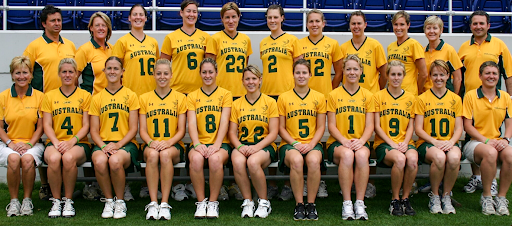
The 2005 world championship gold medal team - Source: Lacrosse Australia

2010's

  • After a tussle that lasted over 2-3 decades, in 2010 the international body consented to make it optional for females to wear protective head gear.
  • This move was supported by the new availability of manufactured lightweight helmets, specifically designed for females.
  • In 2012, the Australian Lacrosse Association created the marketing tag line “Lacrosse. Not just different. Better.”
  • In the High-Performance arena, three focus areas were prioritised: growth, recruitment and coach development.
  • With 16 countries divided into four pools at the 2013 World Lacrosse Cup in Canada, (9th World Cup) Australia – ranked No. 2 in the world – was to lose to 7-11 Canada in the semi-final, putting it out of gold medal contention. Australia beat England 12-6 to win the bronze medal.
  • The 2013 SA World Cup reps were:
    • Hannah Nielsen (All-World Team),
    • Jen Adams, (injured just prior),
    • Cassandra Cursaro,
    • Courtney Hobbs,
    • Sonia LaMonica,
    • Tess Gilbert,
    • Karen Mortimer,
    • Isabelle Pickett, (daughter of 1986 World Champion Mary Pickett) and,
    • Trish Adams and Melissa Williams (Asst Coaches).
  • In 2014 SA hosted the national championships for women and men. Both the women’s and men’s teams played off in their grand finals, the men beating WA 18-10 and women losing to Victoria 13-19.
  • By the mid 2010s, SA lacrosse was expressing concern in its annual report of declining numbers of volunteer administrators, players and coaches.
  • In 2017, (10th World Cup) in the Southeast of England, Australia dropped out of the World Cup medals, for the first time, losing comprehensively to the US 8-15 in the minor rounds, then unexpectedly being defeated 6-8 by Canada in overtime in the semi-finals. 
  • In a further heartbreak, Australia shatteringly lost 9-10 to England for the bronze medal after two periods of extra time and a Golden Goal eventually deciding the winner. 
  • The SA reps were:
    • Hannah Nielsen (All-World Team),
    • Courtney Hobbs,
    • Beth Varga,
    • Bonnie Wells,
    • Sachiyo Yamada and,
    • Sarah Lowe (alternate).
  • The Australians finished third in the 2017 World Games women’s lacrosse tournament, held in Poland, behind the United States and Canada.
  • In 2017, ALA President, Mike Slattery, presented SA’s Judy Thurgood with her ALA Life Membership, recognising her many years of contribution to lacrosse made at national, state and club levels.
  • The ALA developed a strategic plan (2016-2018) which prioritised programs (club based), participation (school based) and projects (university games, skill clinics, national champs) – all designed towards growing the sport in Australia.
  • Quick Stix, a program promoted in schools was supported by the Australian Sports Commission and launched in 2018.
  • In this decade, Lacrosse SA TV was created, giving coverage to all aspects of the SA competitions and ensuring every club team was broadcasted at least once throughout the season; a project undertaken by LSA Board Member, Marty Baker.

2020's

  • Lacrosse SA historian, Luke Oswald, embarked on the digitisation of Lacrosse SA’s rich collection of historical items.
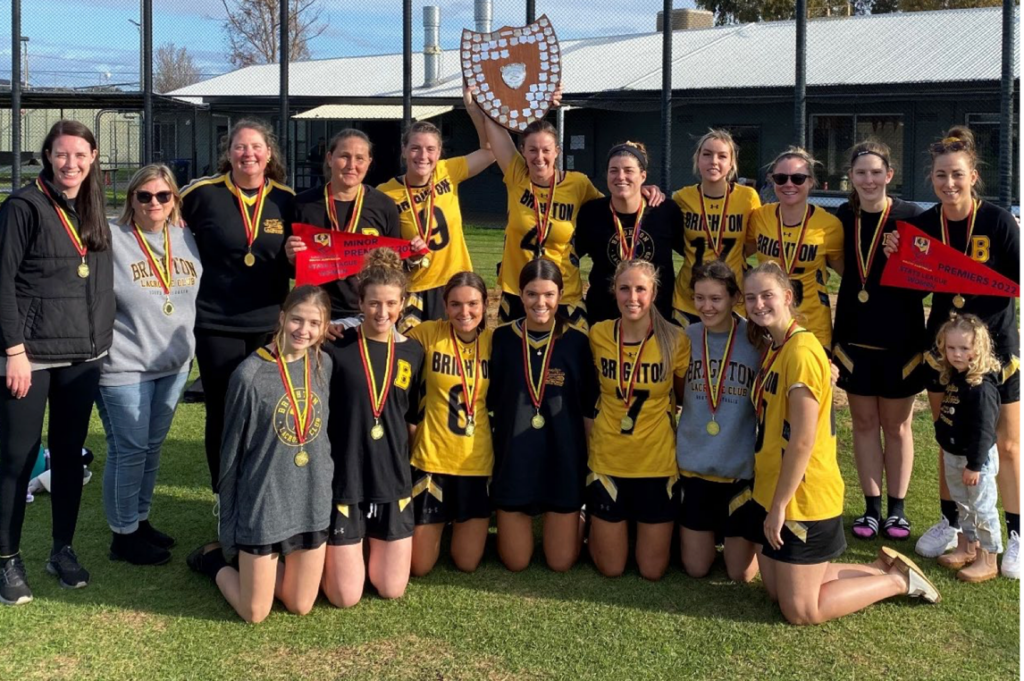
  • In the early 2020s, the Women’s State League consisted of five clubs – Brighton, Glenelg, Burnside, Woodville and North Eagles – and playing 16 matches in the minor rounds.
  • In 2022, SA was strongly represented in the Australian team for the World Cup in the US, ultimately finishing fourth. 
  • The members were:
    • Hannah Nielsen (All World Team),
    • Adden Cunningham,
    • Cassidy Doster,
    • Kahli Evans,
    • Laura Evans,
    • Olivia Parker,
    • Beth Varga,
    • Indiyah Williams,
    • Trish Adams (Coach),
    • Jen Adams (Asst Coach) and,
    • Nicky Bolton (Manager).
  • These championships were ground-breaking in that 29 countries were featured, the most teams in a world championship and almost 40,000 tickets sold for the tournament.
  • Lacrosse will be competed in the Sixes format, a fast-paced, compact version of the sport at the intersection of field and box lacrosse. It characterized by an accelerated, open style of play with quick transitions and high-scoring action.
  • In 2023, World Lacrosse’s decades-long vision to return the sport to the Olympic stage was realised, with the International Olympic Committee approving lacrosse’s inclusion in the 2028 Olympic Games in Los Angeles.
  • In 2024, Lacrosse SA put out to the lacrosse community, the need for greater numbers of volunteers for roles on the governing board. 
Brighton State League Premiers 2022 - Source: Lacrosse SA Annual report
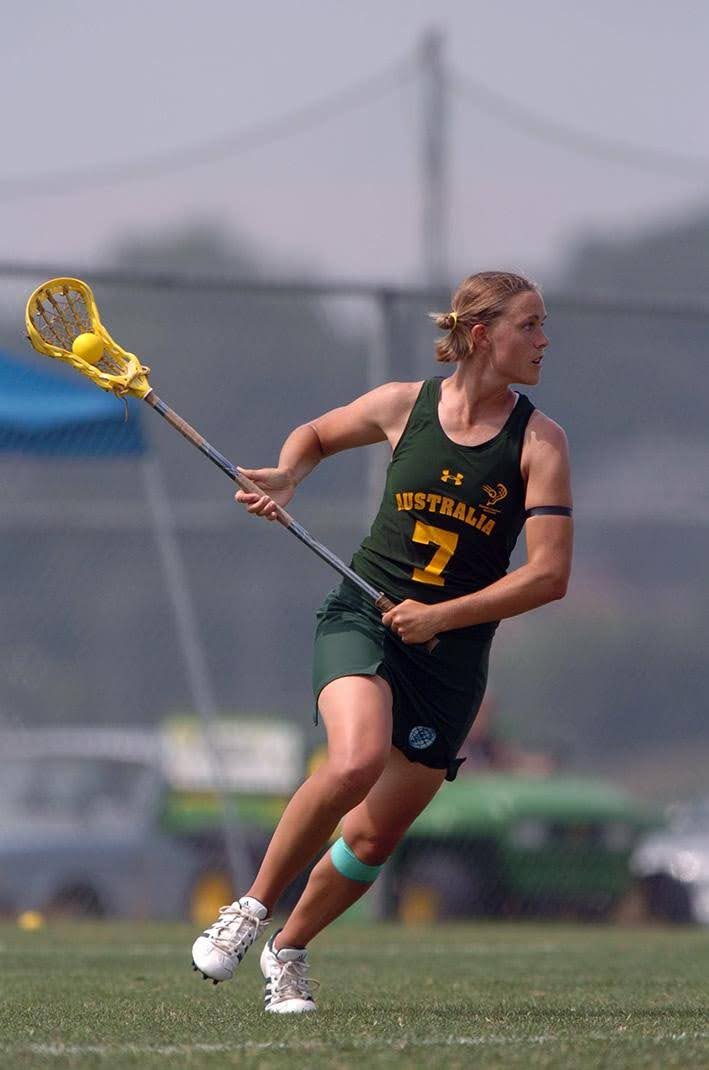
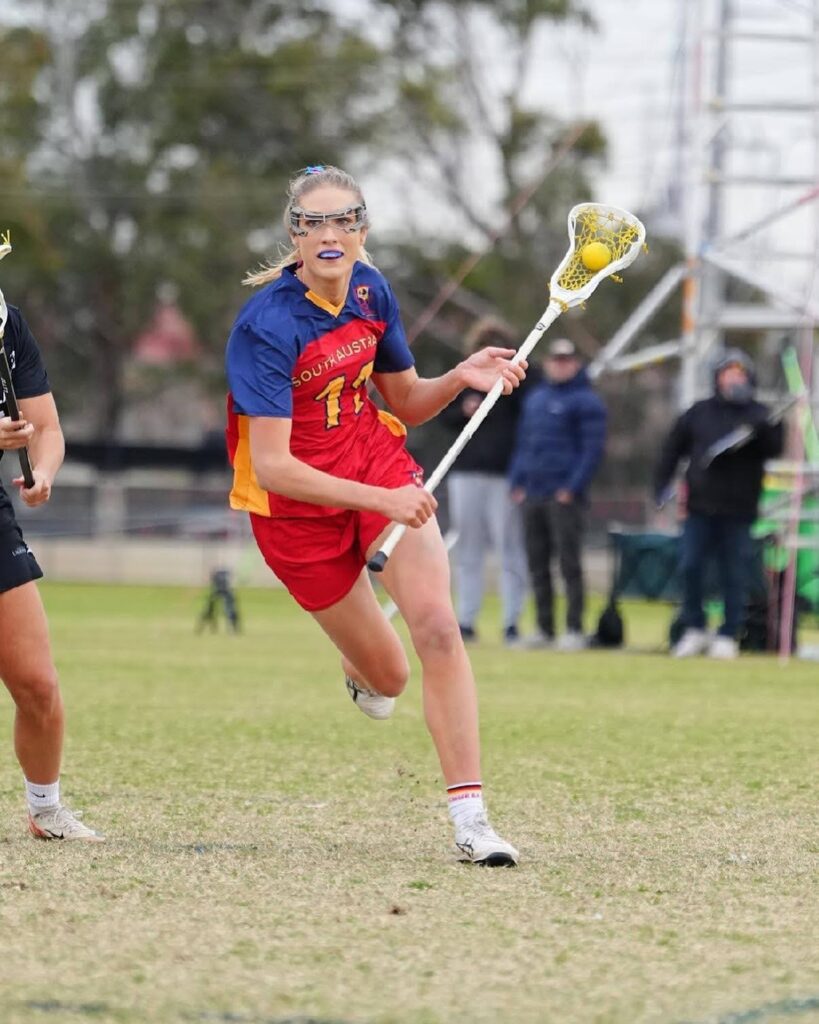
Olivia Parker - Supplied by Olivia Parker

Bibliography:

LACROSSE IN AUSTRALIA, Lacrosse SA, <https://lacrossesa.com.au/about/lacrosse-in-australia/>

Updated 25 November 2025, wikipedia, Lacrosse in Australia, <https://en.wikipedia.org/wiki/Lacrosse_in_Australia>

History, World Lacrosse, <https://worldlacrosse.sport/origin-history/>

What is Lacrosse?, The History of Lacrosse in South Australia, <https://brightonlacrosse.com.au/what-is-lacrosse/>

Lacrosse Australia Story, Lacrosse Australia, <https://www.lacrosse.com.au/our-story>

2023, NATIONAL PARTICIPATION FRAMEWORK, Lacrosse Australia, PDF, <LA+Participation+Framework+2023.pdf>

December 12, 2024, Lacrosse Australia announces creation of Australia Lacrosse Hall of Fame, World Lacrosse, <https://worldlacrosse.sport/lacrosse-australia-announces-creation-of-australia-lacrosse-hall-of-fame>

Tanya Tarnogursky, July 1992, South Australian Women in Sport, Gillingham Printers Pty Ltd or Adelaide South Australia.

2021, Judith Anne Thurgood, Seacombe Women’s Lacrosse Club, South Australia 1963- 1995

SOUTH AUSTRALIAN HISTORY, Lacrosse SA, <https://lacrossesa.com.au/about/sa-history/>

Adelaide Women Who Play Outdoor Games (1930, March 1). The Register News-Pictorial (Adelaide, SA : 1929 – 1931), p. 18. <http://nla.gov.au/nla.news-article53496578>

Lacrosse, Cleaning House for Sport, <https://www.ausport.gov.au/clearinghouse/research/archive/lacrosse>

Lacrosse Australia, wikipedia, <https://en.wikipedia.org/wiki/Lacrosse_Australia#>

Updated 4 July 2025, wikipedia, Jean Bain, <https://en.wikipedia.org/wiki/Jean_Bain>

1972 Australian Womens Touring Team, 2023, YouTube, Lambton Mount Lacrosse Club, <https://www.youtube.com/watch?v=ff6tVDV4DPE>

Judy Thurgood, Barb Mattson, Lambton Mount Lacrosse Club, <https://www.lambtonmountlacrosse.com/display_artifact.php?imgid=jXCLZnlqgA==>

VICKY BRKICH, THE HISTORY OF THE B.C. WOMEN’S PROVINCIAL FIELD LACROSSE TEAM FROM 1982-1993, PDF, <https://laxhall.com/wp-content/uploads/History-of-the-B.C.-Womens-Provinical-Field-Lacrosse-Team-From-1982-1993-updated-Dec.-1-2.pdf>

STORIES OF OUR PIONEERS

Meet the trailblazers of SA Lacrosse. 

Airelie Keen

Airlie Keen was appointed to the FIFA Assistant Referees Panel each year from 2001 to...

Alison Peek

Alison Peek’s open, fun-loving, welcoming ways clearly belie an unfaltering, unrelenting attitude on the field....

Ann Gibbons

Ann Gibbons was one of only two female inductees into the Football SA Hall of...

Anna McVann

Selected for the XXIII Olympics in Los Angeles at the age of just 15, Anna...

Anna Pazera

Rather than return to Communist Poland, Anna Bocson (Pazera) stayed in Australia after competing in...

Anne Hatchard

The 175cm mid-fielder highlighted her dominance by winning the Adelaide Football Club’s best and fairest...

Anne Shanley (Cooper)

In 1950, Anne Shanley was SA’s first female National Champion, the first female National record...

Anne-Marie Knight

In 2016 Anne-Marie Knight was the first female in South Australian PGA history to be...

Annie Fidge

Annie Fidge is part of a family softball dynasty. Her mother, Julie Dale, is a...

Barb Mattson

Barb Mattson captained her club team Brighton to State League premierships, the SA state team...

Barbara Bawden

Barbara Moffatt’s height gave her additional reach, which together with her flexibility were significant assets...

Barbara Phillips

A 1950 media report said: “Barbara Phillips (pitcher) proved … that she can not only...

Bec Goddard

After more than a decade of junior involvement in footy as a player then goal...

Belinda White

In her international retirement speech, “after 13 years - 4 world championships, 2 qualifiers, 1...

Bobby Milburn

Bobby Milburn

A skilful medium-pace bowler, Bobby Milburn played for Australia for over a decade in the...

Brenda Pearl

Brenda Pearl became the first woman in the southern hemisphere to be selected on a...

Brooke Kruger-Billett

As neither SA nor Australia had a strong tradition in throwing the 4kg hammer, in...

Carla Boyd

Carla Boyd was a key player in the Opals team through the 1990s that emerged...