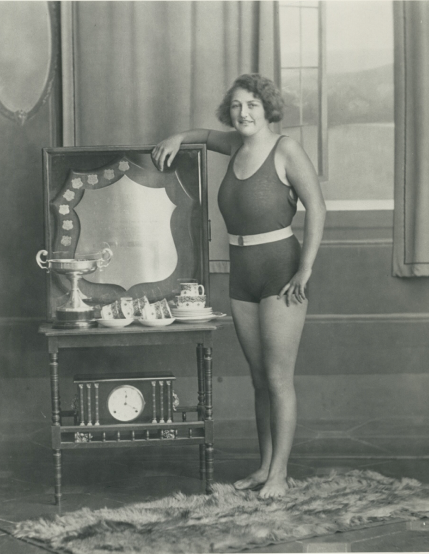
Selected for the XXIII Olympics in Los Angeles at the age of just 15, Anna McVann was a finalist in all her Olympic events - the 200m, 400m, 800m freestyle...

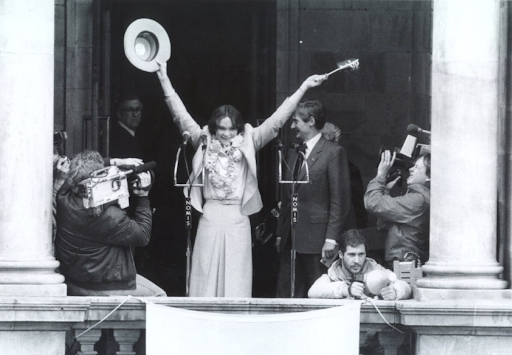
Selected for the XXIII Olympics in Los Angeles at the age of just 15, Anna McVann was a finalist in all her Olympic events - the 200m, 400m, 800m freestyle...
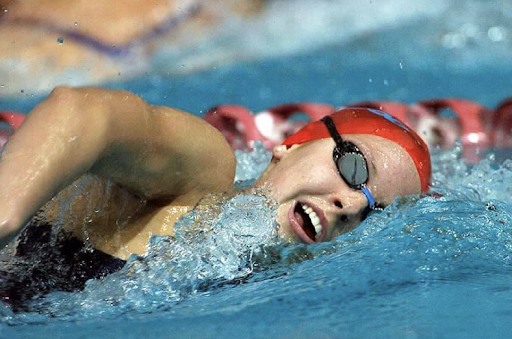
Caroline won bronze in the 1500m freestyle at the 2005 Hawaiian Junior Pan Pacific Championships, then moving into senior ranks, she announced herself by placing 4th in the 800m at...
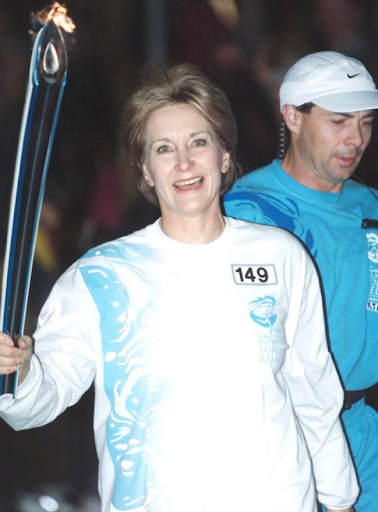
Aged only 15, Dale Kreig won two Australian titles in Melbourne and was then selected in the Australian Swim team for the 1960 Rome Olympics.
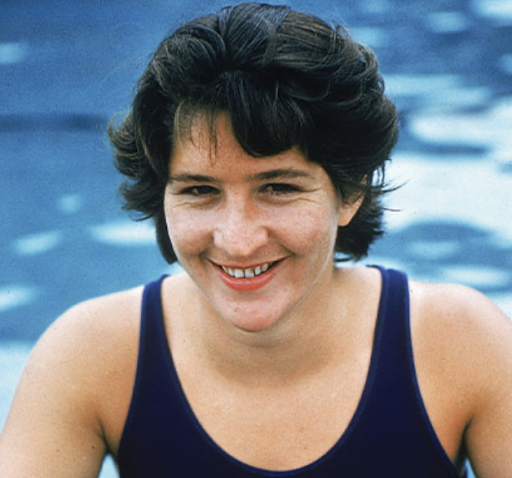
Dawn Fraser held 39 records and won eight Olympic medals including four gold. In 1962, she became the first woman to swim the 100m freestyle in under one minute -...
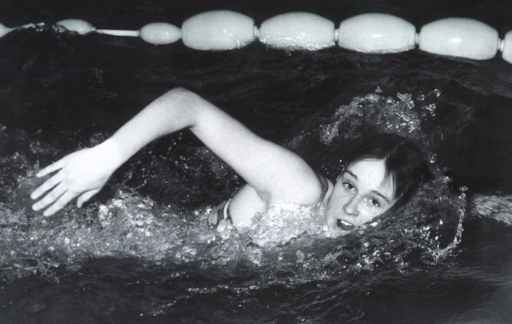
Debbie became the fifth South Australian to swim at the Olympics after she took out the National 200m backstroke title in 1972.
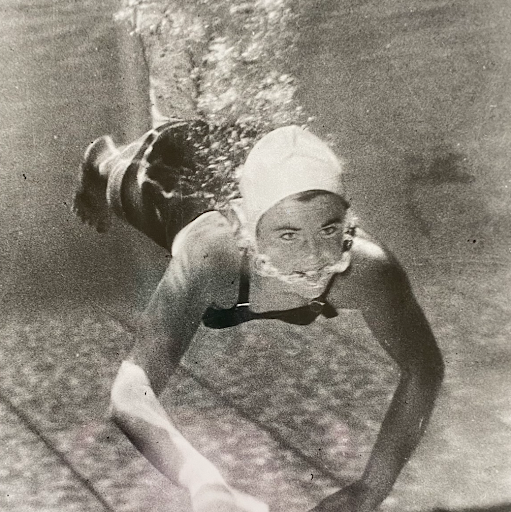
SA’s first female Olympian, represented SA and Australia in swimming in the 1950's
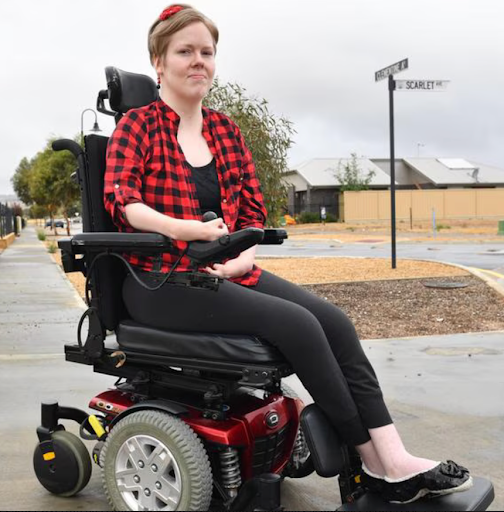
At the 2008 Beijing Paralympics, Esther’s performances were compromised by two factors: seven weeks beforehand, she had a collapsed lung and one day before the Games, she broke an arm....
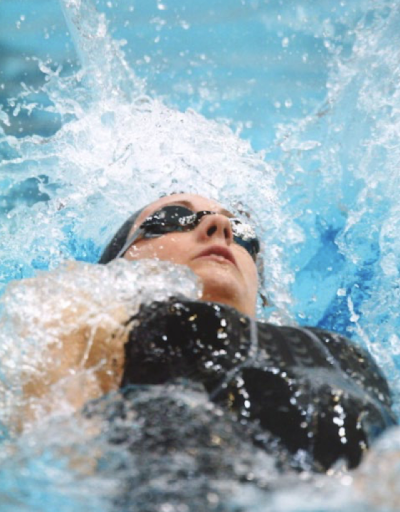
At international events such as the US Open, Pan Pacific Championships, and Mare Nostrum Tour Barcelona, Frances Adcock won silver and bronze medals in individual backstroke events and medley relays.
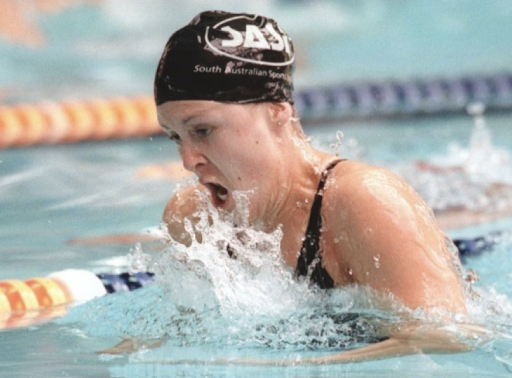
Alongside fellow South Australian, Sarah Ryan, Helen Denman helped put Australia’s 4x100m medley relay team into the 1996 Olympic final in which Australia won a silver medal behind the USA.
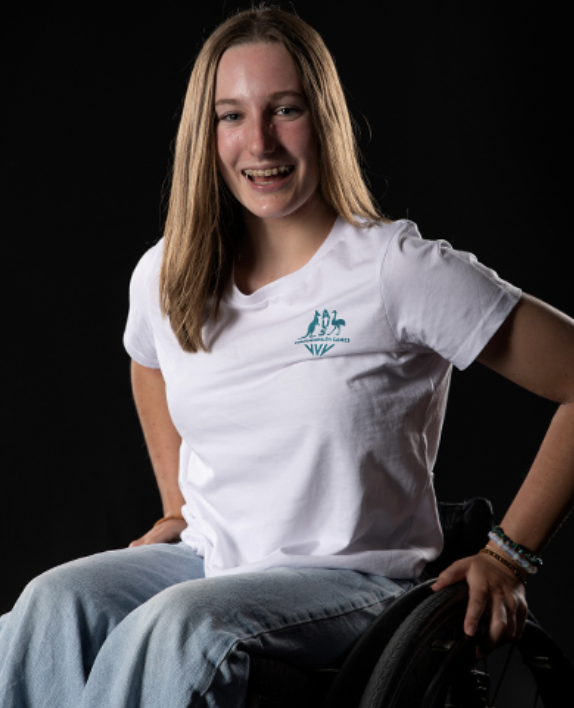
On being selected to 2020 Paralympic Games team, Isabella’s Pembroke School classmates decorated her school locker with Australia’s green and gold ribbons. She won silver in the 4x100m freestyle relay...
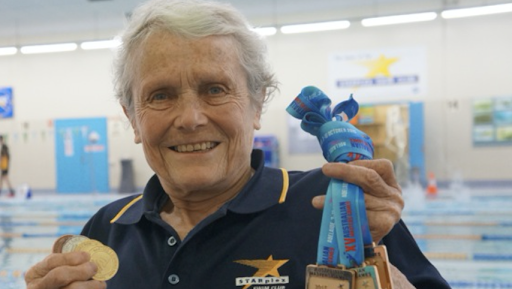
An athlete from three Paralympic Games – Toronto 1976, Seoul 1988 and 1992 Barcelona - Lyn won a total of three silver and three bronze medals.
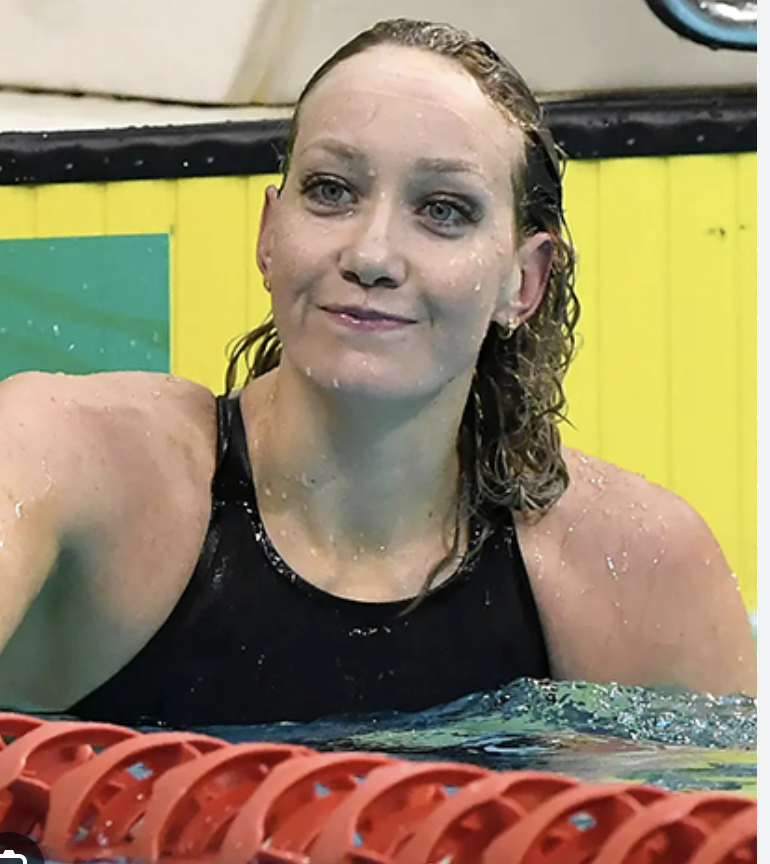
One of Madison Wilson’s outstanding highlights surely was at the 2020 Tokyo Olympics where she swam in the heats of the women's 4x100m freestyle alongside Mollie O’Callaghan, Bronte Campbell and...
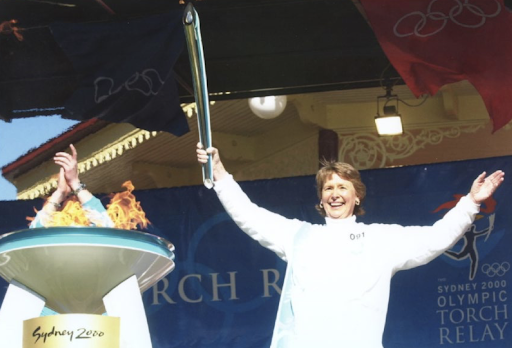
Gibson was named in the 1956 Olympic team for Melbourne, which trained in Townsville in preparation. It was during the trials that Gibson helped break two world records as a member...
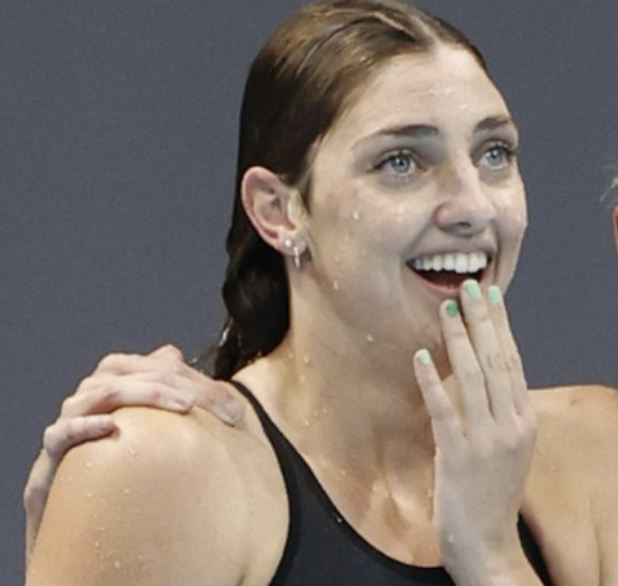
At the 2023 World Aquatics Championships, Harris swam the third leg of the Australian 4x100m freestyle relay team along with Shayna Jack, Mollie O’Callaghan and Emma McKeon to break the...
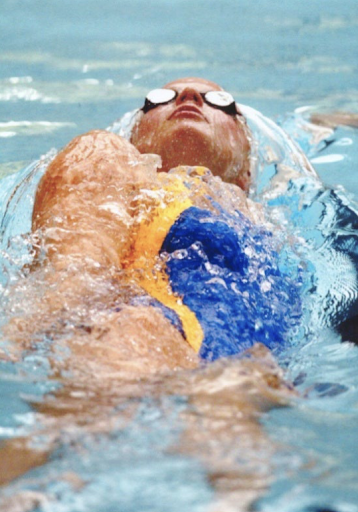
In 2001 Melissa Morgan’s 200m backstroke time of 2:12:36 was the third fastest Australian time ever.
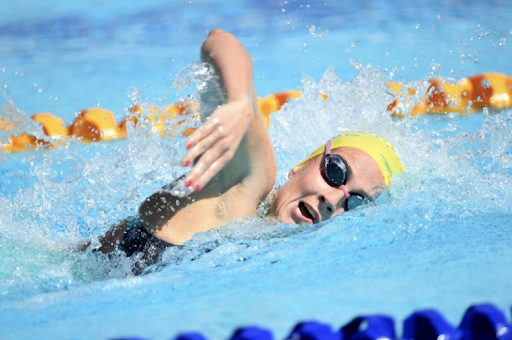
Mikkayla Sheridan had a broad and competitive skill set, ranging from the 200m and 400m freestyle, to 200m backstroke, and 400m individual medley.
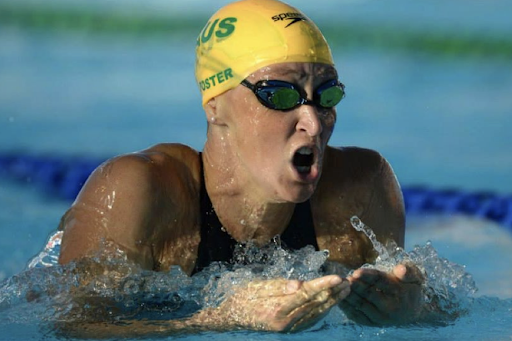
Sally Hunter competed in the 2008 and 2012 Olympics and at four World Championships. Her leadership capabilities were obvious from the start, selected to be a part of the Australian...
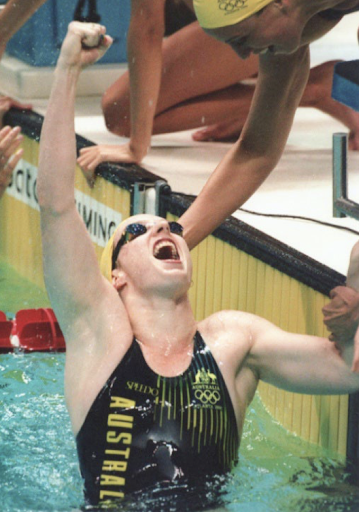
Sarah Ryan’s Swimming CV is something to behold, winning medals in relays at her three Olympic Games – 1996, 2000 and 2004.
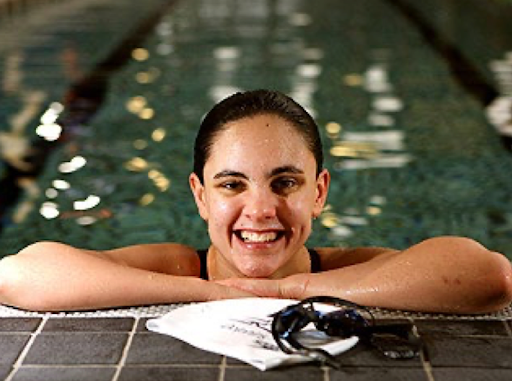
Shelley Rogers’ specialty events were the 200m Individual Medley, 100m Backstroke, and the 50m Butterfly. At the Beijing 2008 Paralympics, she placed 4th, 5th and 6th in those events respectively.
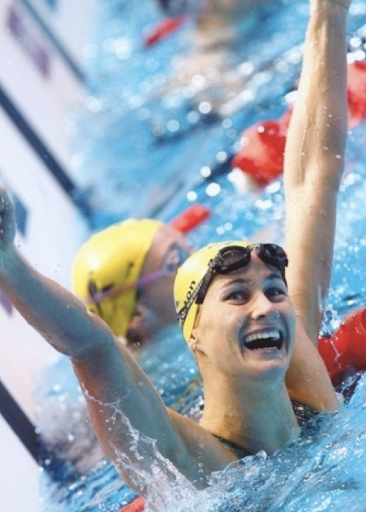
Sophie Edington’s 2006 Commonwealth Games tally of three gold medals – for the medley relay, 50m backstroke and 100m backstroke was outstanding - placing her just behind Leisel Jones with...